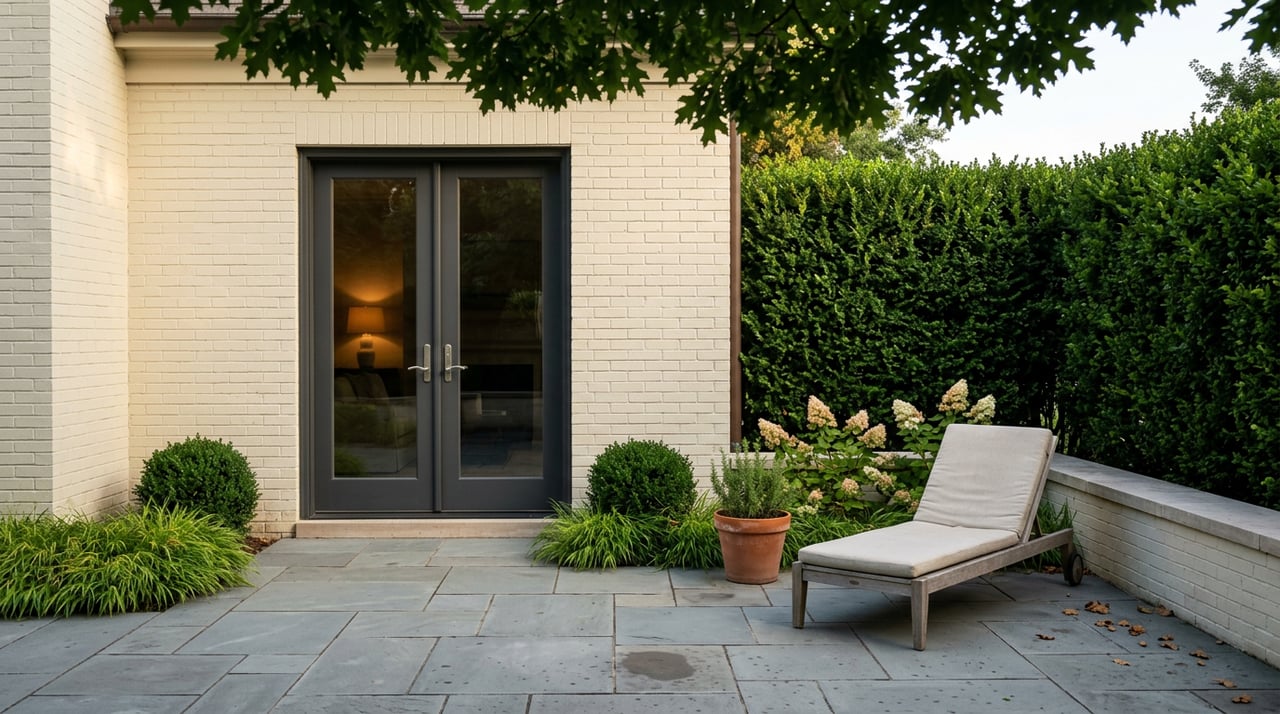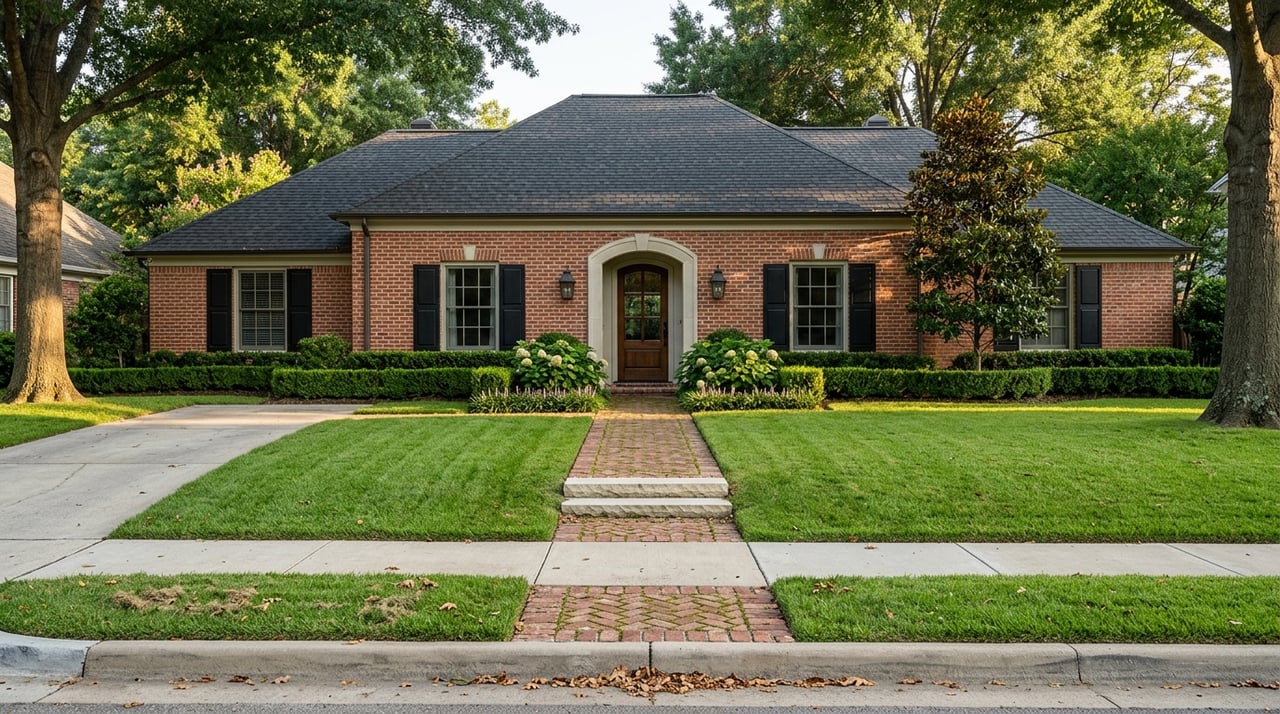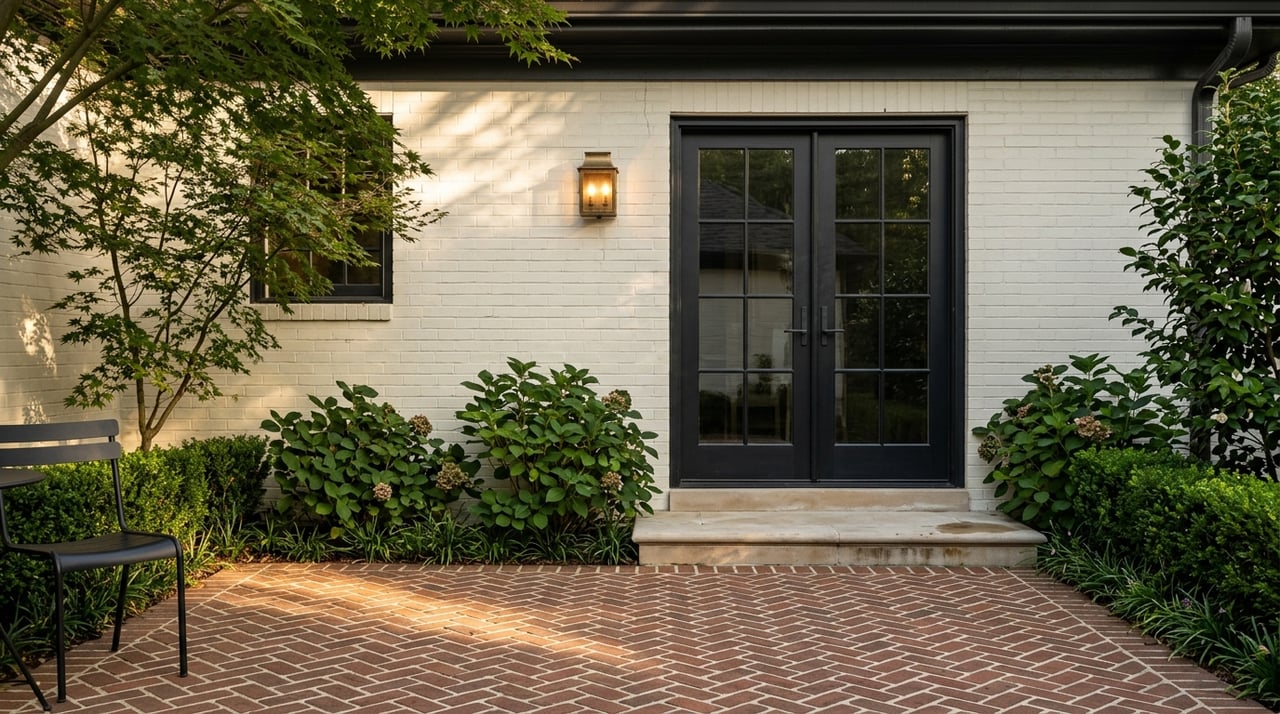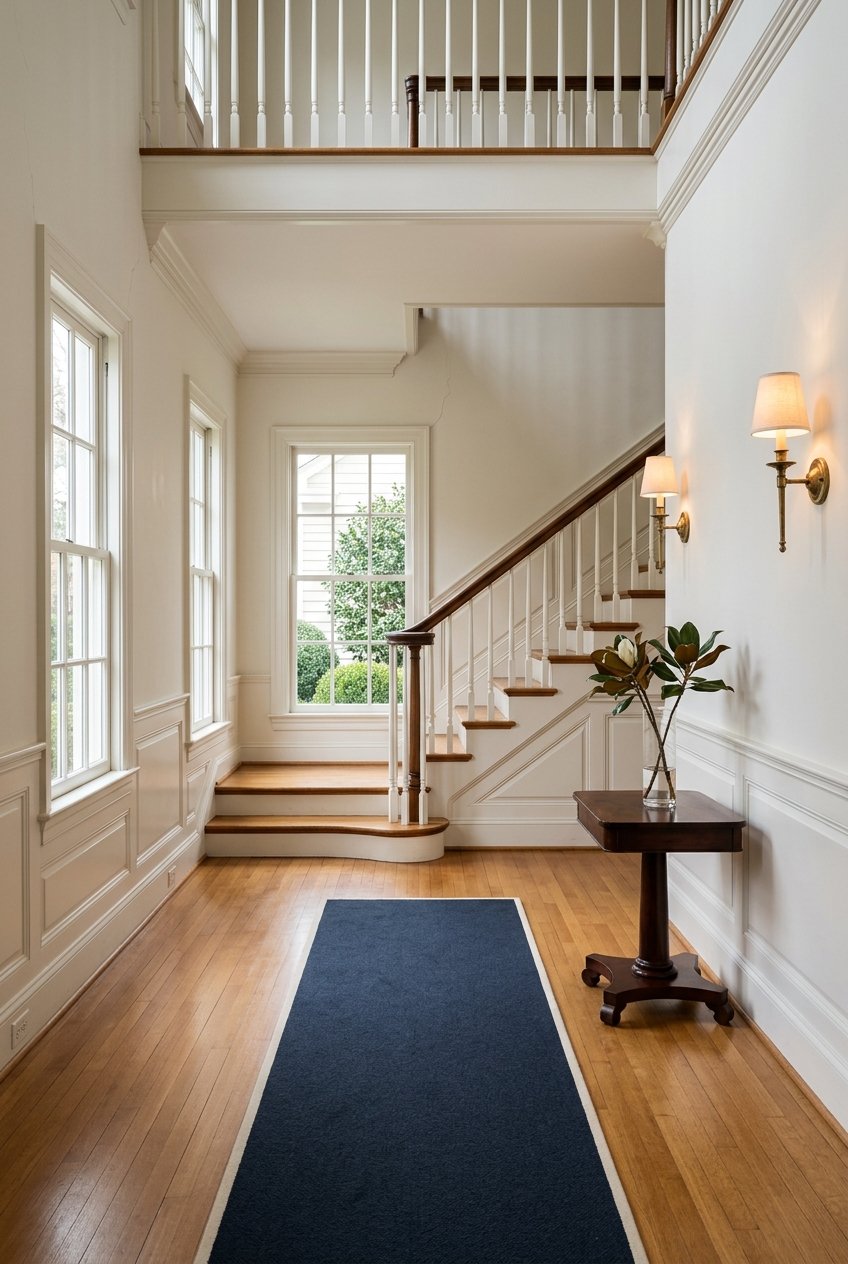
If you own a historic home in Ansley Park, getting it ready for market is not the same as prepping a newer house. Buyers here often notice original windows, masonry details, porches, and mature landscaping just as quickly as they notice square footage or kitchen finishes. When you prepare thoughtfully, you can protect the home’s character, avoid costly missteps, and present a property that feels both authentic and well cared for. Let’s dive in.
Why Ansley Park calls for care
Ansley Park has a distinct identity that shapes buyer expectations. The neighborhood was first developed in 1904 as a motorcar-oriented suburb with wide, winding streets and parks, and that original planning still influences how people experience the area today.
Its setting also adds to the appeal. Ansley Park sits near Piedmont Park, the Atlanta Botanical Garden, the arts district, Colony Square, and the BeltLine, so buyers often respond to both the architecture of the home and the surrounding lifestyle context.
That means your pre-list strategy should do more than make the house look polished. It should help buyers understand the property’s provenance, how it lives today, and why its historic character matters.
Confirm what rules apply first
One of the biggest misconceptions sellers have is that a historic designation automatically limits every change they can make. In reality, National Register listing is honorific, and it does not by itself place federal restrictions or requirements on a private owner.
Ansley Park’s National Register status also does not itself restrict private property. At the same time, you should not assume every parcel is treated the same way for city review.
Atlanta says the first step is to use the city’s GIS Property Info tool to verify whether your specific property falls within a Historic or Landmark District. If it does, exterior or site work may require additional historic-preservation review before permitting, depending on the designation and scope of work.
For sellers, this is a practical starting point. Before repainting masonry, altering a porch, replacing windows, or changing site features, confirm your parcel status so you can plan correctly and avoid delays.
Start with the envelope
When preparing a historic home for sale, the building envelope deserves attention before cosmetic updates. Moisture is one of the most common threats to older homes, and buyers, inspectors, and contractors tend to spot the signs quickly.
Focus first on the roof surfaces, flashing, gutters, and downspouts. The National Park Service notes that faulty roofs and drainage problems are major points of moisture entry, which can then affect masonry, wood elements, crawl spaces, and basement areas.
You should also inspect window and door openings, foundation walls, and any visible cracks or open joints. Saturated areas around the foundation can lead to damage that becomes more expensive and more visible during a sale.
A clean inspection path does not mean perfection. It means showing that the home has been maintained with care and that issues affecting preservation and livability have been addressed thoughtfully.
Treat windows as assets
Historic windows are often one of the first things sellers consider replacing, especially if they are drafty or difficult to operate. In a home like this, that decision deserves a slower and more informed approach.
The National Park Service identifies windows as character-defining features and recommends evaluating them individually. It also notes that operation issues, hazardous-material concerns, code requirements, or energy performance alone are not automatic reasons to replace historic windows.
In many cases, repair is the better first move. If replacement becomes unavoidable, buyers and preservation-minded professionals will respond best when the replacement closely matches the original design and appearance.
This matters in marketing as much as maintenance. Original or thoughtfully restored windows can support the story of the home, while poorly matched replacements can interrupt it.
Be careful with masonry and stucco
Brick, stucco, and other masonry surfaces can influence first impressions in a major way. They also tend to suffer when owners rush cleaning or patching work before listing.
The National Park Service warns against abrasive cleaning methods, including sandblasting, high-pressure water, and other harsh treatments that can damage historic masonry. It also cautions against using overly hard mortar in repointing.
If your home needs masonry repair, drainage should be part of the conversation. Mortar joints, water movement, and gentle cleaning methods all work together, and the goal is to preserve the material rather than make it look artificially new.
For visible issues or structural concerns, bring in professionals with experience in historic masonry. The right assessment can help you avoid repairs that hurt both appearance and long-term value.
Review systems early
Beautiful architecture does not remove the need for practical updates. Buyers still care about safety, functionality, and whether a house feels ready for modern living.
Review mechanical, electrical, plumbing, accessibility, fire and life-safety, and energy-related items early in the process. The National Park Service notes that rehabilitation work still needs to meet code-based safety and performance requirements, but that these upgrades can be done sensitively in ways that preserve historic character.
This early review can help you decide what should be fixed before listing, what should be documented, and what should be reflected in pricing strategy. It also reduces the chance that a buyer’s due diligence uncovers a deferred issue that disrupts negotiations.
Protect the landscape and trees
In Ansley Park, the landscape is part of the product. Mature canopy, established plantings, and a gracious streetscape support the overall impression of the home and the neighborhood.
If you are considering trimming or removing trees before listing, do not treat that as a routine cleanup item. Atlanta’s Arborist Division says the city tree ordinance protects canopy on public and private land, and tree removal may require a permit or an application for a dead, dying, diseased, or hazardous tree.
That makes tree planning both a presentation issue and a compliance issue. A thoughtful landscape refresh can improve curb appeal, but major changes should be verified before work begins.
Update without erasing history
The most successful pre-sale improvements usually make a historic home easier to live in without stripping away what makes it memorable. That balance is critical in Ansley Park.
The National Park Service recommends retaining the building’s form, features, materials, and later changes that contribute to its historic character. It also warns against replacing intact or repairable historic materials just to create a newer look.
A smart seller mindset is simple: repair before replacement. When replacement is unavoidable, the best results usually come from matching the original in design, color, texture, and, where possible, materials.
This approach is especially important for trim, porches, masonry details, and windows. Buyers looking in Ansley Park are often paying attention to those details, even if they cannot name every style element.
Handle additions and code work discreetly
Some sellers prepare for market after a larger renovation or addition. If that is your situation, the way the new work relates to the original home matters.
The National Park Service says additions should first try to place new needs in secondary areas of the house. They should preserve the original form and envelope, remain compatible in massing and scale, and still be visually distinguishable from the historic building.
In practical terms, rear or less visible additions tend to be less disruptive than changes that dominate the primary facade. Code-related upgrades should also be handled with the gentlest possible approach so they remain physically and visually compatible with the home.
Stage to clarify, not sterilize
Staging can be especially effective in a historic home when it helps buyers read the scale and function of each room. It does not need to erase personality or make the house feel generic.
The National Association of Realtors reported in 2025 that 83% of buyers’ agents said staging made it easier for buyers to visualize the home. It also found that 49% of sellers’ agents said staging reduced time on market, and 29% said it increased dollar value offered by 1% to 10%.
The rooms most often staged were the living room, primary bedroom, dining room, and kitchen. Sellers’ agents also commonly recommended decluttering, deep cleaning, and improving curb appeal.
For a historic Ansley Park home, the best staging strategy is often about scale, light, and sightlines. Let original millwork, windows, fireplaces, and circulation patterns read clearly, while using furnishings and styling to make rooms feel intentional and easy to understand.
Market the story with accuracy
Historic homes sell best when the marketing tells the truth and gives buyers meaningful context. In Ansley Park, that usually means leading with provenance rather than downplaying age.
Strong presentation can include the year the neighborhood was developed, architectural style, notable design details, and the broader neighborhood story. The Ansley Park Civic Association highlights the legacy of Edwin P. Ansley and architects including A. Ten Eyck Brown, Neel Reid, Philip Trammell Shutze, P. Thornton Marye, and others, which gives sellers credible historical context to celebrate when relevant to a specific home.
Online presentation should also match the in-person experience. If virtual staging is used, it should be clearly disclosed, and photography should not create a misleading impression.
For a design-forward listing, the goal is not to oversell. It is to present the home with clarity, confidence, and respect for what is genuinely there.
Plan showings around access
Showing strategy matters more in a neighborhood with established streetscapes and active parking patterns. A great home tour can lose momentum if guests arrive confused about where to park or how to enter.
The Ansley Park Civic Association notes that neighborhood streets are often used as overflow parking and that it is working with the city on parking regulations and signage. For sellers, that means open houses and private showings should be planned with guest flow in mind.
Clear instructions, thoughtful scheduling, and a polished arrival experience can support the overall impression of a premium listing. In a neighborhood like Ansley Park, details outside the front door count too.
A better pre-list mindset
Preparing an Ansley Park historic home for market is not about making it look newer. It is about helping buyers see that the home has been cared for, that important systems and surfaces have been addressed wisely, and that its history is part of its value.
With the right plan, you can protect character-defining features, avoid avoidable mistakes, and bring the home to market with a presentation that feels both elevated and credible. If you are considering selling in Ansley Park and want a design-led, highly tailored strategy, Sonny Jones can help you prepare your home for a strong and well-positioned launch.
FAQs
What historic rules apply to an Ansley Park home before listing?
- National Register listing itself does not place federal restrictions on a private owner, but Atlanta says you should verify your parcel in the city GIS Property Info tool because Historic or Landmark District status may affect whether exterior or site work requires additional review.
Should you replace old windows in an Ansley Park historic home?
- Not automatically. The National Park Service says historic windows should be evaluated individually and that repair is often preferred, with code or energy concerns alone not being automatic reasons for replacement.
What should you inspect first in an Ansley Park historic home?
- Start with the building envelope, including the roof, flashing, gutters, downspouts, window and door openings, foundation walls, crawl spaces, and basements, because moisture entry can affect both condition and buyer confidence.
How should you handle masonry before selling a historic home in Ansley Park?
- Focus on drainage, mortar-joint condition, and gentle cleaning methods, and avoid harsh cleaning, sandblasting, high-pressure water, or inappropriate repointing mortar that can damage historic masonry.
Do tree removals in Ansley Park require approval?
- They can. Atlanta’s Arborist Division says the city tree ordinance protects canopy on public and private land, and tree removal may require a permit or an application depending on the condition of the tree.
Is staging worth it for an Ansley Park historic home sale?
- Yes. The 2025 National Association of Realtors staging report found that staging helps buyers visualize a home, may reduce time on market, and can support stronger offers, especially when key rooms are staged well.
What is the best way to market a historic home in Ansley Park?
- Lead with accurate details about the home’s character and neighborhood context, use truthful photography, and highlight provenance, design features, and lifestyle location without making the presentation feel generic or misleading.