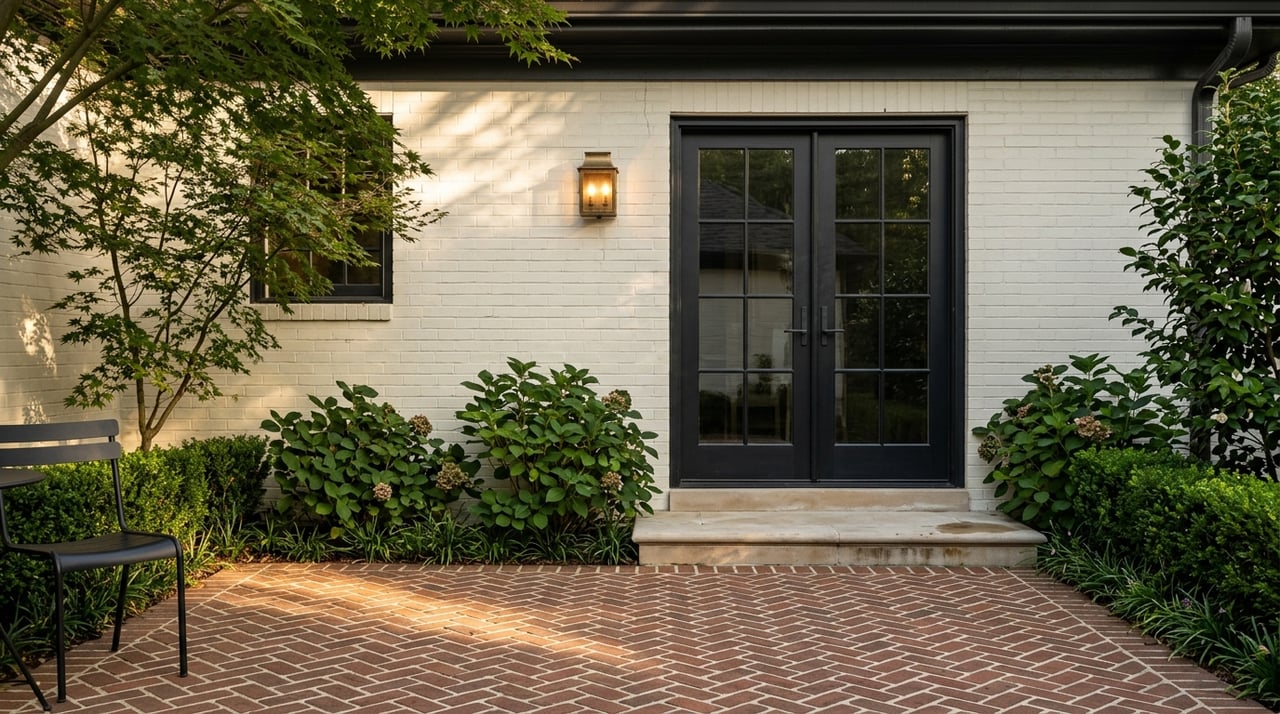
Trying to decide whether to renovate before you sell in Garden Hills or simply list your home as-is? That question matters even more in a neighborhood known for historic character, mature trees, and older housing stock where buyers tend to notice condition and presentation right away. If you want to protect your time, your budget, and your sale price, the smartest move is usually not guessing. It is choosing a strategy based on how Garden Hills buyers shop and what actually tends to pay off. Let’s dive in.
Garden Hills has character and buyer expectations
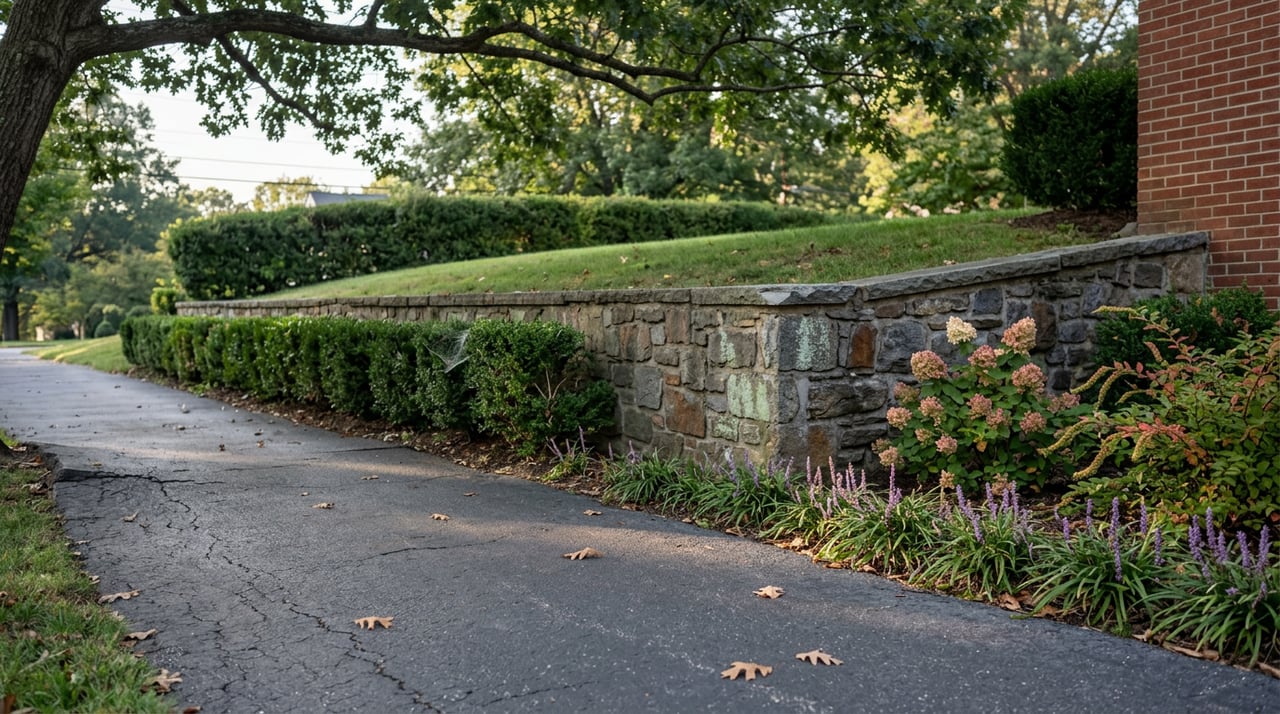
Garden Hills is one of Buckhead’s historic neighborhoods, with development dating back to 1925 and a mix of architectural styles from the 1920s through the early 1940s. The neighborhood includes more than 750 single-family homes along with some multifamily housing, and its established streetscape, mature hardwood trees, parks, pool, and recreation center all shape buyer expectations.
That setting creates a specific kind of market. Buyers are often drawn to the architecture and setting first, but they still evaluate homes carefully once they get past curb appeal. In a neighborhood with older homes and limited turnover, presentation can carry a lot of weight.
Recent market snapshots also suggest that Garden Hills is active, but not careless. Redfin reported a median sale price of $814,726 for the three months ending May 2026, with a median 54 days on market. Realtor.com reported a median listing price of $619,450, a 98% sale-to-list ratio, and a 46-day median time on market in May 2026, while Zillow showed a typical home value of $819,970 and 49 homes for sale at the end of May 2026.
The takeaway is simple. Buyers are participating, but they are still selective about what they are willing to pay for condition, updates, and overall polish.
Renovate or list as-is starts with your goal
Before you choose a path, you need to get clear on what matters most to you. Some sellers want the highest possible price and are open to a short pre-listing project window. Others want speed, privacy, less disruption, or lower cash outlay.
That is why this decision should not be framed as “renovation is always better” or “as-is is always easier.” In Garden Hills, the better question is whether targeted improvements will materially improve your first impression, your online presentation, and your pricing power.
For many sellers, the answer is yes, but only to a point. The market data and neighborhood context support a middle path more often than an all-or-nothing one.
Why full renovations often miss the mark
In older, architecturally distinct neighborhoods, heavy renovation can become expensive fast. It can also introduce design choices that may not match what the next buyer wants, especially if the work feels too personalized or disconnected from the home’s original character.
Atlanta’s 2025 Cost vs. Value data makes that risk easier to see. A minor midrange kitchen remodel recouped 111.8% of cost, but a major midrange kitchen remodel recouped just 41.4%. A midrange bath remodel recouped 77.4%, and a primary suite addition recouped only 32.3% to 36.6%.
The cost gap is also significant. In Atlanta, a minor midrange kitchen remodel averaged about $28,359, while a major midrange kitchen remodel averaged $50,928, and a primary suite addition averaged $162,109. If your main goal is resale, those numbers suggest that larger projects can tie up capital without delivering a strong return.
Small visible updates usually work better
The strongest return signals in Atlanta came from projects buyers notice quickly. Garage door replacement recouped 217.5% of cost, manufactured stone veneer 180.5%, steel entry door replacement 157.2%, minor kitchen remodels 111.8%, and fiber-cement siding replacement 107.3%.
Those are not flashy headline projects. They are practical, visible improvements that help a home look well cared for and market-ready. That matters in Garden Hills, where a clean, design-conscious presentation often fits the neighborhood better than a full reinvention.
NAR’s 2025 Remodeling Impact Report points in the same direction. Realtors most often recommended painting the entire home before listing, then painting a single interior room, then installing new roofing. In other words, pre-sale preparation often works best when it improves condition and visual appeal rather than chasing an owner’s dream renovation.
What Garden Hills buyers are likely noticing
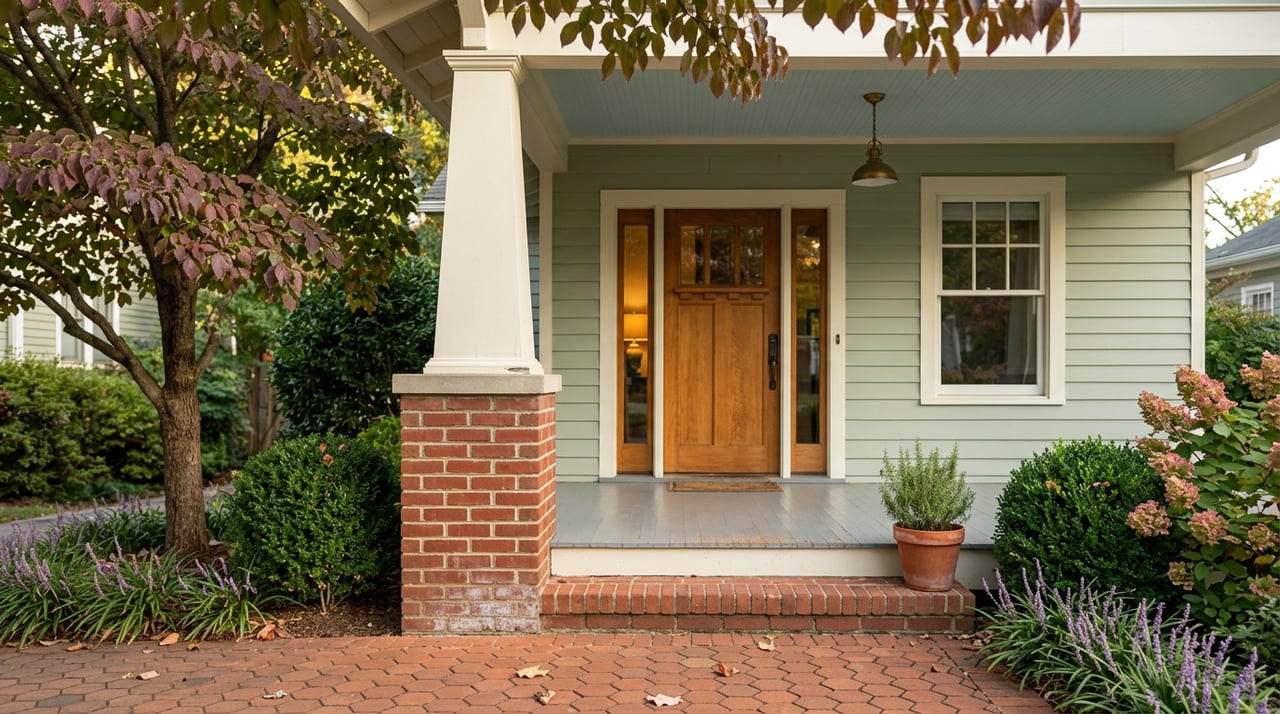
Because much of Garden Hills was built between 1925 and 1941, the most common pre-listing questions are often about first-impression items. Think exterior paint, landscaping, dated kitchens or baths, lighting, flooring, windows, doors, and whether the home photographs well enough to support the asking price.
That does not mean every home needs work. It does mean buyers in this kind of neighborhood often compare character and charm against visible upkeep. If a home feels neglected, buyers may assume larger deferred maintenance issues even when the real problems are mostly cosmetic.
This is one reason design-forward preparation tends to matter in Garden Hills. Buyers are not just shopping for square footage. They are reacting to how the home feels, both online and in person.
Presentation matters more than many sellers expect
If you are debating whether to spend money before listing, presentation is often the most efficient place to start. NAR’s 2025 staging survey found that 83% of buyers’ agents said staging made it easier for buyers to visualize the property as a future home. The same survey found that 31% said buyers were more willing to walk through a staged home they saw online, and 17% said staging increased the dollar value offered by 1% to 5% compared with similar unstaged homes.
That is especially relevant in a neighborhood where architecture and atmosphere help sell the home. Strong photography, tasteful staging, and a polished visual story can improve how buyers interpret the space before they ever visit.
The same survey also noted that buyers’ agents viewed photos, physical staging, videos, and virtual tours as much or more important to their clients. For sellers in Garden Hills, that supports a practical idea: if you can make your home photograph beautifully, you may not need to over-improve it.
The rooms to prioritize first
If you are going to invest selectively, focus on the rooms buyers tend to care about most. According to the 2025 staging survey, the living room, primary bedroom, and kitchen were the most important spaces to stage.
That gives you a useful roadmap for pre-list prep. If your budget is limited, direct attention to the spaces that shape emotional first impressions and online engagement. In many cases, updating lighting, paint, hardware, styling, and furniture layout in those rooms may do more for your sale than a major remodel elsewhere.
The same survey reported a median spend of $1,500 for a professional staging service. Compared with remodeling budgets, that is a relatively modest cost for a step that may improve both traffic and offer quality.
When a pre-list refresh makes sense
For many Garden Hills sellers, the best answer is neither a full renovation nor a pure as-is listing. It is a targeted pre-list refresh.
A refresh usually focuses on the changes most likely to improve first impressions and online appeal without pushing you into low-recovery spending. That may include:
- Interior or exterior paint
- Updated lighting
- New hardware
- Decluttering and editing furnishings
- Landscaping and entry cleanup
- Selective kitchen touch-ups
- Selective bath touch-ups
- Flooring improvements where needed
- Better visual merchandising for photos and showings
This approach tends to align with both the neighborhood and the numbers. In Garden Hills, buyers often respond well to homes that preserve period appeal while feeling clean, neutral, and ready to enjoy.
When listing as-is can be the right move
Listing as-is can still be a smart choice, especially if your priorities are speed, convenience, reduced disruption, or lower upfront cost. It can also make sense if your home already shows reasonably well and only needs a pricing strategy that reflects its current condition.
The key is being realistic. In a market where recent snapshots show homes selling in roughly 46 to 54 days and close to list price rather than dramatically above it, buyers are still paying attention to what they will need to fix or update. If your home needs visible work and you choose not to do it, the price usually needs to account for that clearly.
An as-is strategy works best when it is intentional, not passive. You still want the home clean, presentable, and professionally marketed so buyers can distinguish between a home that is simply unrenovated and one that feels neglected.
A simple decision guide for Garden Hills sellers
If you are unsure which route fits your home, this framework can help.
Choose a targeted refresh if...
- Your home has strong architecture but dated finishes
- The biggest issues are cosmetic or presentation-related
- You want to improve photos, showings, and pricing confidence
- You want to avoid overspending on low-return projects
Consider listing as-is if...
- You want to minimize disruption before your move
- You prefer a faster launch with less upfront cash outlay
- Your home already presents reasonably well
- You are prepared to price for the work a buyer will take on
Avoid major pre-sale renovation if...
- The project is highly customized
- The budget is large relative to likely resale recovery
- The work could delay your listing for months
- The updates may not match the home’s original character
The smartest strategy is usually selective and design-led
In Garden Hills, the market story is not just about value. It is about fit. Buyers are often drawn to homes that respect the neighborhood’s character while feeling polished enough to justify the asking price.
That is why a design-led, data-informed plan tends to outperform both extremes. Instead of gut-renovating or doing nothing, you identify the few changes that improve first impression, protect architectural character, and support the story your home tells online and in person.
For many sellers, that balance is where the best results live. You do not need to out-renovate the neighborhood. You need to present your home in a way that feels honest, elevated, and market-ready.
If you are weighing whether to renovate or list as-is in Garden Hills, a tailored pre-list strategy can help you focus on the updates that matter and avoid the ones that do not. For a private consultation and a design-forward plan built around your timeline, reach out to Sonny Jones.
FAQs
Should you renovate before selling a home in Garden Hills?
- In many cases, a targeted refresh makes more sense than a full renovation because smaller visible updates and stronger presentation may offer better resale value than large custom projects.
What updates matter most before listing a Garden Hills home?
- The most practical areas to evaluate are paint, landscaping, lighting, hardware, flooring, kitchen and bath touch-ups, and the rooms that shape first impressions, especially the living room, primary bedroom, and kitchen.
Can you sell a Garden Hills house as-is?
- Yes, but the pricing usually needs to reflect the work a buyer will expect to take on, especially in a market where buyers remain selective about condition and presentation.
Is staging worth it for a Garden Hills listing?
- Staging can be worthwhile because buyer-agent survey data shows it may help buyers visualize the home, increase willingness to tour after seeing it online, and in some cases improve the offer amount.
Do major remodels usually pay off before selling in Atlanta?
- Not always. Atlanta’s 2025 Cost vs. Value data showed stronger returns for smaller visible projects and weaker recovery for large projects like major kitchen remodels and primary suite additions.