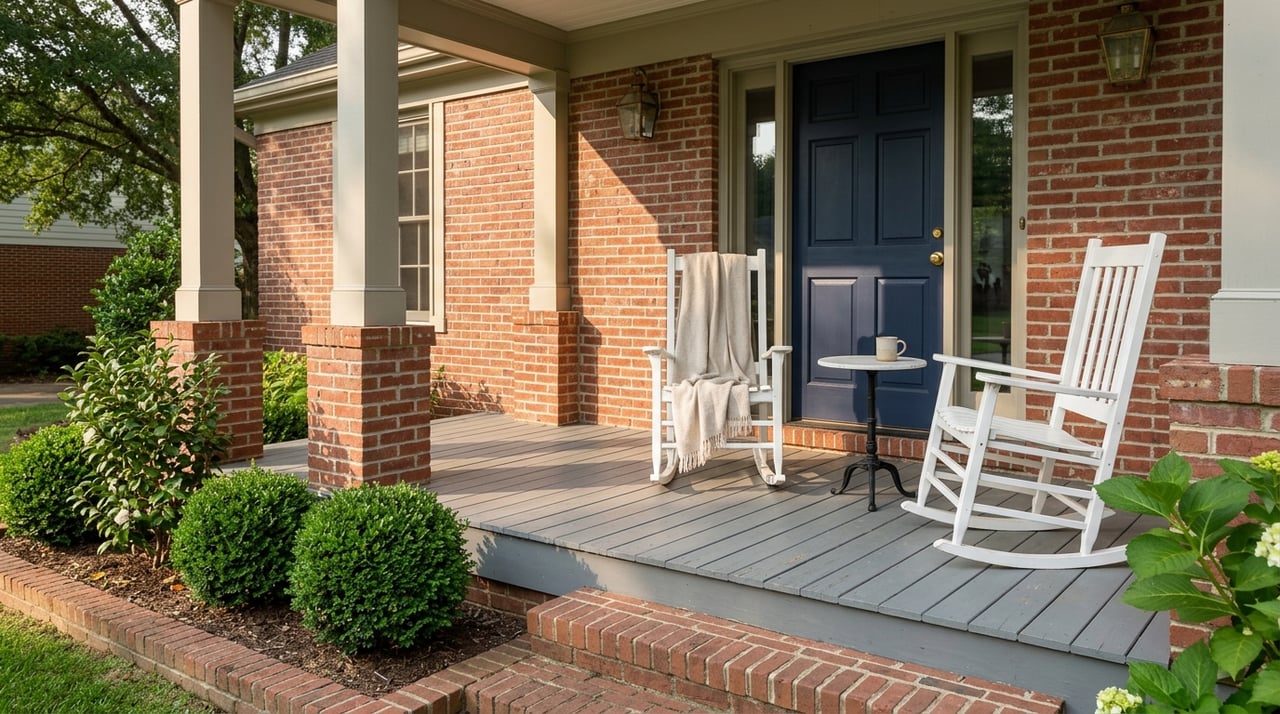
If you are drawn to neighborhoods that feel lived in rather than merely passed through, Virginia-Highland stands out right away. Here, daily life often unfolds in plain view, on front porches, shaded sidewalks, park paths, and patio tables, creating a rhythm that feels both social and easy. For buyers and sellers alike, understanding that rhythm helps you see why this intown Atlanta neighborhood continues to hold such lasting appeal. Let’s take a closer look.
Why Virginia-Highland Feels So Social
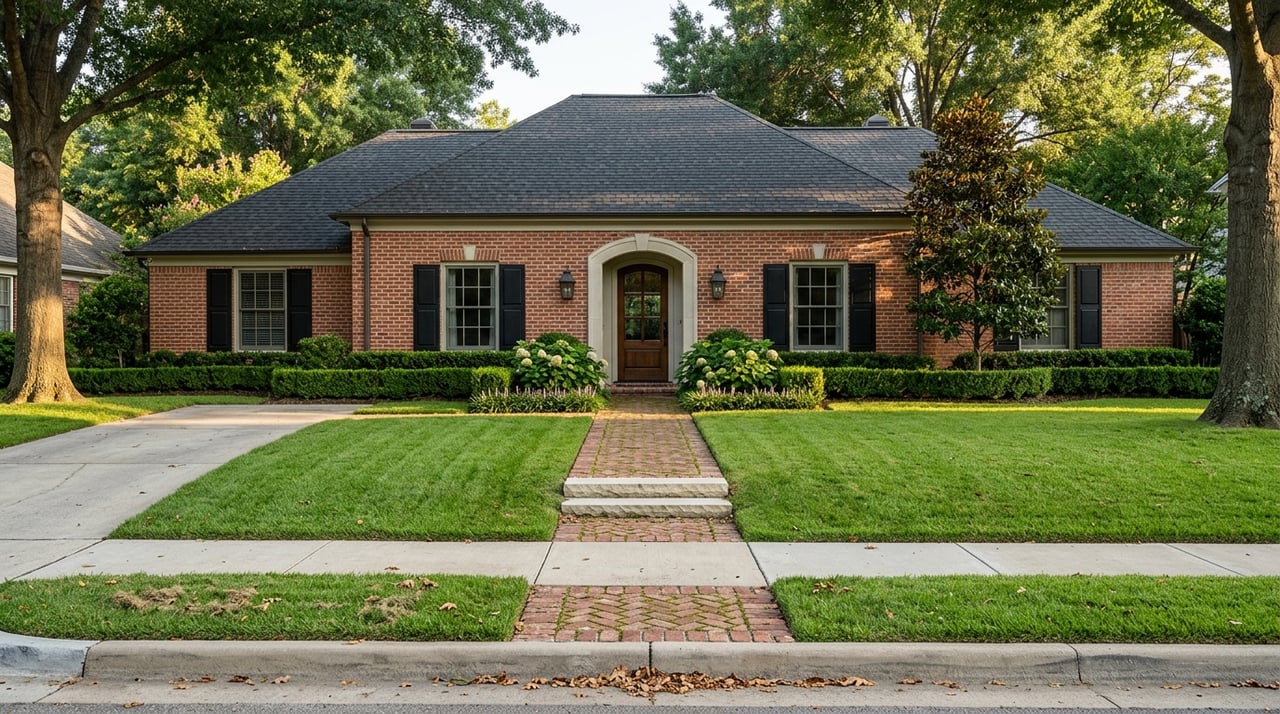
Virginia-Highland’s character starts with its physical layout. The neighborhood is a historic district listed on the National Register, with bungalows, cottages, and Foursquare homes built mostly between 1905 and 1936 on tree-lined streets. That housing pattern, paired with a compact street grid, gives the area a human-scale feel that encourages walking and casual interaction.
The neighborhood is also positioned for daily convenience. Residents are within walking distance of shopping, dining, nightlife, neighborhood parks, Piedmont Park, and the BeltLine. When so much of daily life happens close to home, it is natural for the neighborhood to feel active and connected.
At the center of that experience is the North Highland and Virginia Avenue area. A City of Atlanta transportation study describes this intersection as the symbolic heart of the corridor and ties its roots to an early 1900s trolley intersection. That history still matters today because the area remains oriented toward pedestrians, with a built environment that supports strolling, stopping, and seeing familiar faces.
Porch Culture in Virginia-Highland
In Virginia-Highland, porch culture is more than a visual detail. It is a real part of how people experience the neighborhood. Front porches, older homes, and walkable blocks create the setting, but the social life around them is what gives the idea real meaning.
The clearest example is Virginia Highland Porchfest. The City of Atlanta describes it as an all-day showcase of the neighborhood, centered on music performed on front porches. That kind of event reflects something important about Virginia-Highland: community life here often happens in shared public view, in ways that feel informal, welcoming, and rooted in place.
Porchfest is not a one-off experience. The district’s event calendar also includes Winterfest, a farmers market, restaurant week, Candy Crawl, and other neighborhood gatherings. Together, these events help reinforce the kind of repeat interaction that makes a neighborhood feel familiar over time.
The Organizations Behind Daily Life
Strong neighborhoods usually have strong local institutions, and Virginia-Highland is a good example. The Virginia Highland District Association, founded in 2020, supports the small business district through communications, partnerships, safety, appearance, and community engagement. That kind of work may happen behind the scenes, but it shapes how the neighborhood feels day to day.
The Virginia-Highland Civic Association also plays an important role. It highlights active resident organizations, a neighborhood watch, a security patrol, and parent groups. In practical terms, that means the neighborhood’s social life is supported not only by architecture and location, but also by people and organizations committed to keeping the area connected and well cared for.
For anyone considering a move, that matters. A neighborhood can have attractive homes and popular restaurants, but its long-term appeal is often tied to the strength of its civic life. In Virginia-Highland, that civic structure is part of the lifestyle story.
What a Typical Day Can Look Like
Mornings Start Close to Home
Morning routines in Virginia-Highland often begin with coffee, pastries, and a short walk. Alon’s Bakery & Market describes its Virginia-Highland and Morningside location as having a cozy neighborhood feel, with artisan breads, pastries, cakes, cheese, gourmet takeout, and cappuccino. That kind of local stop helps define the pace of the neighborhood.
Other familiar names shape the morning scene as well. PERC has a Virginia-Highland location on North Highland, and Press and Grind is noted by Discover Atlanta as part of a Sunday morning or work-from-home routine. Add the Sunday farmers market, and mornings here start to feel less like errands and more like a neighborhood ritual.
Afternoons Invite Browsing
Virginia-Highland does not revolve around a large commercial center. Instead, afternoon life often plays out through independent shops and small-scale businesses. This gives the neighborhood a more personal, curated feel, especially for people who prefer local retail over a one-stop destination.
Discover Atlanta points to Virginia Highland Books for new releases, puzzles, games, and journals, and also highlights shops such as Dakota J’s, Ora by Alisa, Moosh, Kinship Butcher, and Murphy’s Wine Shop. The Atlanta Main Street page adds that the district stretches 1.4 miles along North Highland and includes long-standing restaurants, legacy bars, trendy shops, fitness, and wellness services. In other words, daily life here is shaped by variety, walkability, and repeated local habits.
Evenings Are Built for Lingering
Evenings in Virginia-Highland tend to feel social but relaxed. Patio dining and neighborhood bars play a major role, creating places where dinner can turn into a longer evening out without much planning. That repeatable, familiar quality is part of the neighborhood’s appeal.
Murphy’s describes itself as a long-standing cornerstone of Virginia Highland, while Osteria 832 presents itself as a place where Virginia Highland gathers for Italian. Discover Atlanta also highlights destinations such as Moe’s and Joe’s, Ela, Neighbor’s Pub, Highland Tap, and Blind Willie’s. The common thread is not just dining or nightlife, but the sense that people come back often and stay awhile.
Parks and Outdoor Routine
Virginia-Highland’s outdoor feel is not accidental. Open space is woven into the neighborhood in a way that supports everyday use, whether you want a quick walk, a shaded bench, or a larger park outing. That accessibility adds another layer to the neighborhood’s daily rhythm.
John Howell Memorial Park is a 2.8-acre neighborhood park, and Orme Park is a 6.6-acre neighborhood park, according to the City of Atlanta. The Virginia-Highland Civic Association treats John Howell Park as the central greenspace and the starting point for its arboretum loops. These smaller parks help anchor daily routines close to home.
The neighborhood also benefits from larger nearby green space. Piedmont Park, a 185-acre regional park, borders the area, and the BeltLine also edges Virginia-Highland. That means you can move from a front porch to a neighborhood park to a major urban green space without leaving the walkable core.
Trees also play a visible role in the experience. Trees Atlanta describes the Virginia-Highland Neighborhood Arboretum as a living tree museum made up of four loops that residents helped design and maintain. That detail says a lot about the neighborhood: even the landscape reflects a shared investment in place.
What This Means for Homebuyers
If you are buying in Virginia-Highland, lifestyle fit matters as much as square footage. This is a neighborhood where the built environment shapes how you spend your time, from morning coffee runs to evening dinners to walks through nearby parks. For many buyers, that daily convenience and visible neighborhood life are a major part of the value.
The housing stock also tells a clear story. With bungalows, cottages, and Foursquare homes from the early 20th century, Virginia-Highland offers architecture with character and a strong sense of continuity. If you value design, walkability, and an established intown setting, the neighborhood’s appeal is easy to understand.
Buyers also benefit from looking beyond the house itself. In a place like Virginia-Highland, the surrounding blocks, access to the business district, and relationship to parks can shape your everyday experience just as much as interior finishes do. A thoughtful home search here is really about finding the right match between property and routine.
What This Means for Sellers
For sellers, Virginia-Highland’s lifestyle story is one of the neighborhood’s strongest assets. The appeal is not only about historic homes or a desirable intown address. It is also about the way daily life feels once you live there.
That makes presentation especially important. Buyers are often responding to a complete picture that includes architecture, streetscape, walkability, porch presence, and proximity to parks, shops, and dining. A well-positioned listing should capture both the home and the lifestyle that surrounds it.
In a neighborhood with this much personality, details matter. Design-forward marketing, strong visuals, and clear neighborhood context can help buyers understand why Virginia-Highland holds its value as a place people want to experience, not just own.
Virginia-Highland’s porch culture is really a shorthand for something bigger: a neighborhood built around short walks, public life, local rituals, and repeated connections. From historic homes and active business corridors to parks, patios, and community events, daily life here has a social ease that is hard to manufacture. If you are thinking about buying or selling in this part of Intown Atlanta, that neighborhood fit deserves a close, informed look.
If you want a more tailored view of Virginia-Highland, from property presentation to neighborhood nuance, Sonny Jones offers a private, design-driven approach to buying and selling in Intown Atlanta.
FAQs
What is porch culture in Virginia-Highland?
- In Virginia-Highland, porch culture refers to the neighborhood’s visible, social daily life shaped by front porches, walkable streets, local events, and frequent interaction in shared public spaces.
What makes Virginia-Highland walkable?
- Virginia-Highland’s compact street grid, historic housing pattern, and close access to shops, dining, parks, Piedmont Park, and the BeltLine all support a walkable daily routine.
What are some regular things to do in Virginia-Highland?
- Daily life often includes coffee stops, the Sunday farmers market, browsing local shops, meeting friends for patio dining, and spending time in neighborhood parks such as John Howell Memorial Park and Orme Park.
What kind of homes are common in Virginia-Highland?
- The neighborhood is known for bungalows, cottages, and Foursquare houses, with many built between 1905 and 1936 on tree-lined residential streets.
Why do buyers look at lifestyle in Virginia-Highland?
- In Virginia-Highland, the value of a home is closely tied to how the neighborhood supports everyday living, including walkability, outdoor access, local businesses, and community events.
Why is neighborhood presentation important when selling in Virginia-Highland?
- Sellers benefit when buyers can clearly see both the home and the surrounding lifestyle, since Virginia-Highland’s appeal comes from its architecture, streetscape, parks, and social, walkable setting.