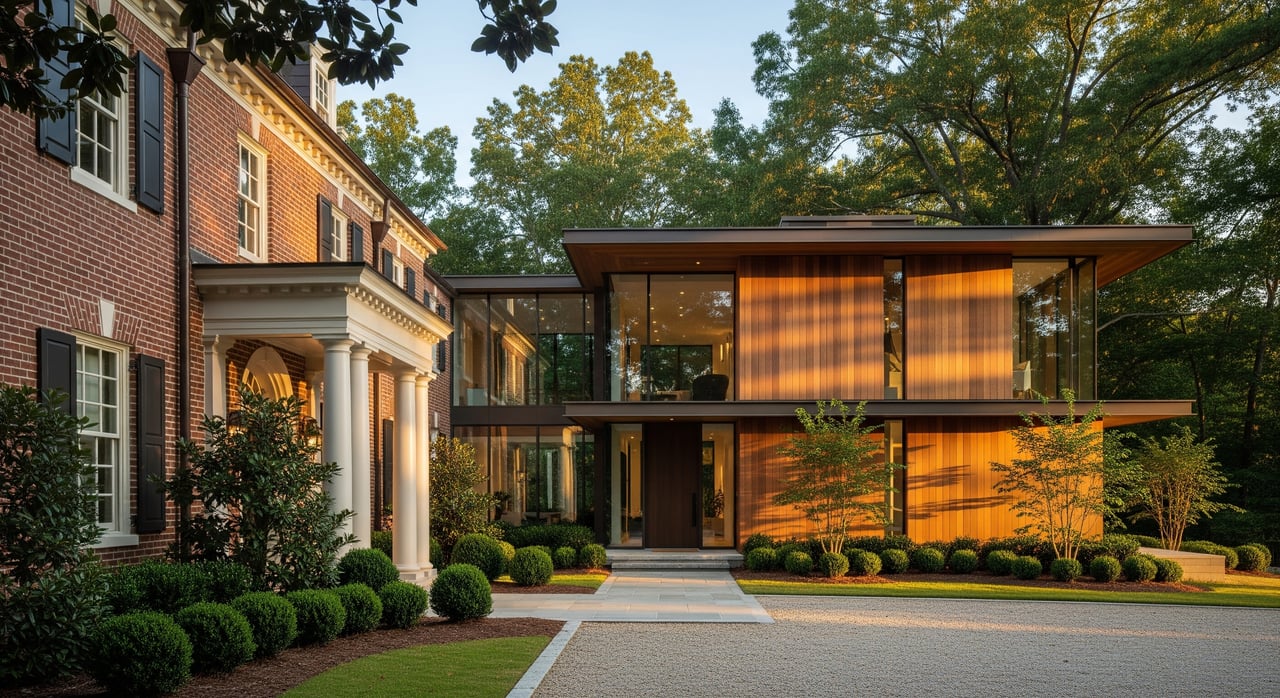
Thinking about buying in Chastain Park and wondering if you should start fresh or reimagine what is already there? You are not alone. In this Buckhead pocket, mature trees, park access, and lot orientation can shift the math between renovating and building new. In this guide, you will learn how location, costs, permitting, and resale trends shape the right path for your goals. Let’s dive in.
Why Chastain Park drives premium value
Chastain Park sits at the intersection of lifestyle and convenience. The park, golf course, amphitheater, and large green space anchor the neighborhood and influence what buyers prioritize. Walkability to these amenities, privacy within the tree canopy, and thoughtful site placement often matter more than a specific street address.
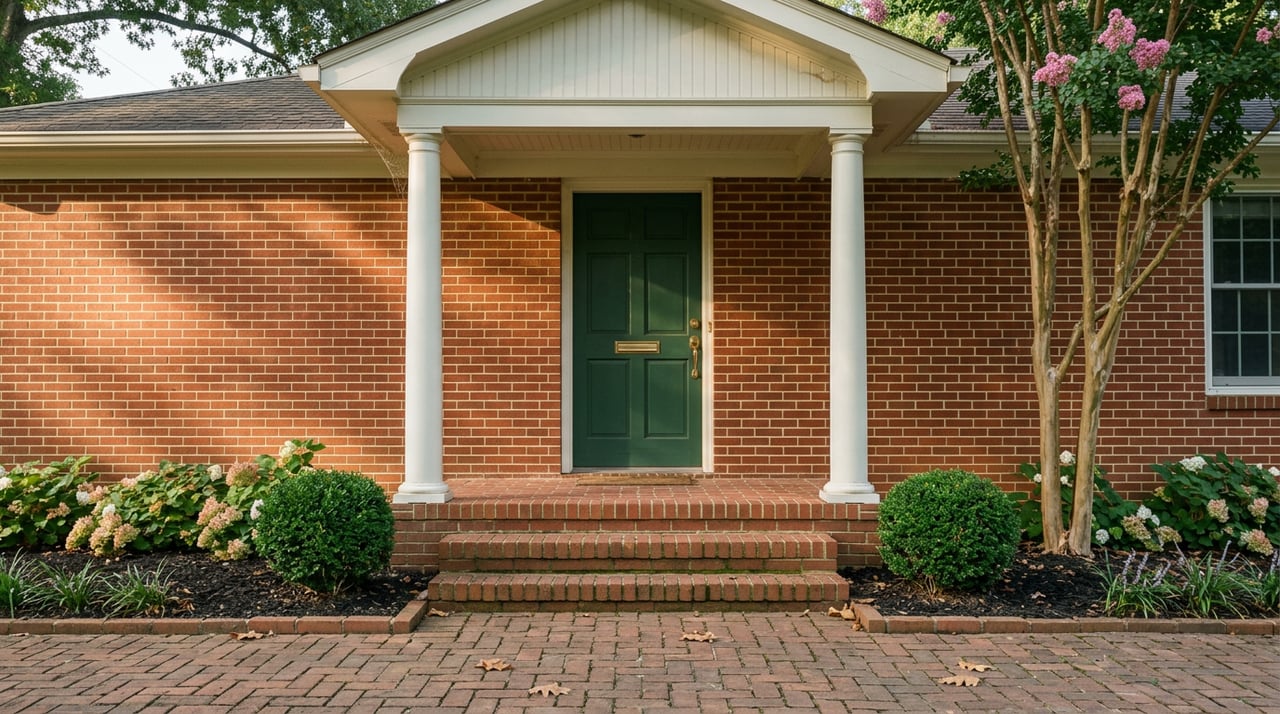
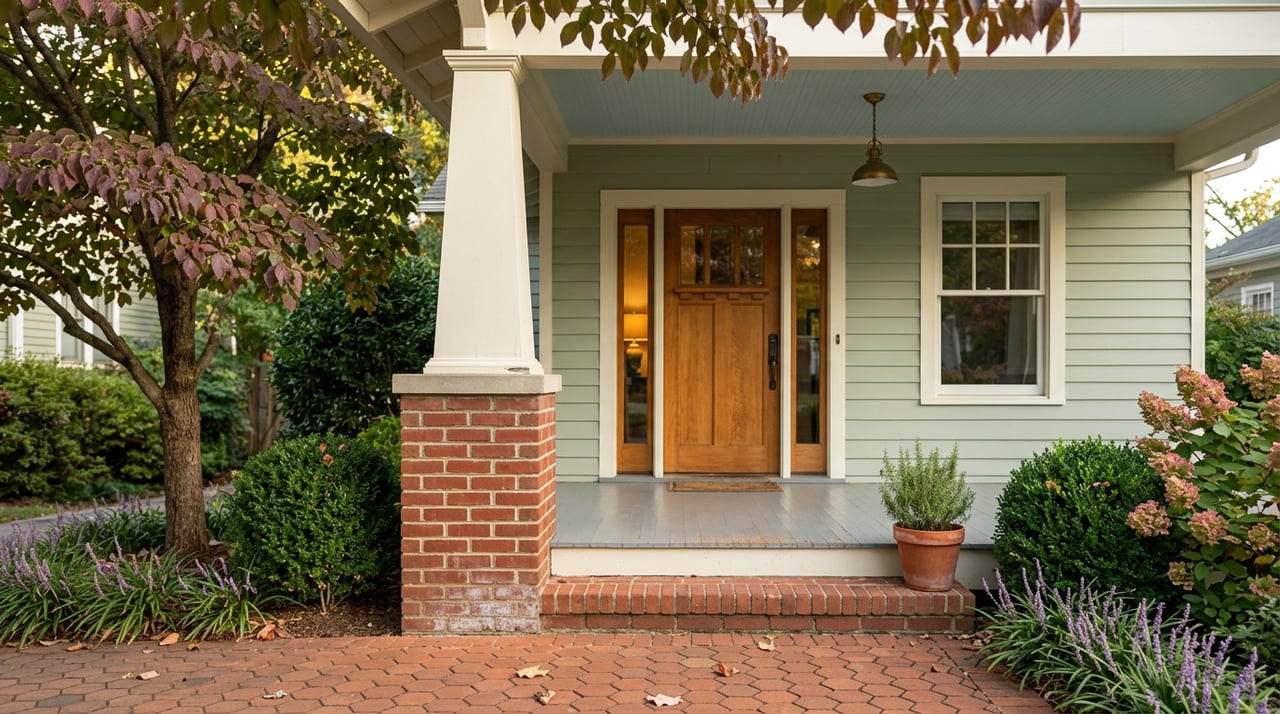
You find a mix of older bungalows, mid‑century ranches, historic homes, and recent rebuilds. Lots are often irregular with mature trees. Street frontage, corner orientation, and park or golf exposure typically command a premium and draw stronger resale demand.
New build vs. renovate: cost basics
Renovation usually requires less capital than a full teardown and new construction. You keep parts of the structure and avoid full replacement costs, but you may be constrained by the existing footprint and layout. New construction tends to sell at a higher price per square foot, yet it requires a larger upfront budget, a longer timeline, and higher carrying risks.
Acquisition and lot premiums
Lots closest to the park or with golf visibility can trade at a premium. When comparing options, look at recent comparable sales for tear‑downs, finished new builds, and renovated homes on similar blocks. Your budget should reflect not just lot size, but also exposure, views, and privacy.
Demolition and environmental work
If you pursue a teardown, plan for demolition, potential asbestos or lead remediation, disposal, and erosion control. Some demolitions require specific permits or contractor bonding. These items add time and line items to your budget.
Construction and soft costs
New construction hard costs include foundation, structure, mechanicals, and finishes. Soft costs cover architecture, engineering, surveys, geotechnical work, permitting, and landscape design. In Chastain Park, mature trees, tight access, and irregular lots can increase complexity for both new builds and major additions.
Carrying time and risk
Longer projects add mortgage interest, taxes, insurance, utilities, and opportunity cost. Variances, plan reviews, and inspection wait times can extend the schedule. Budget for contingencies and model what happens if absorption slows or buyer sentiment shifts.
Renovation scope and hidden surprises
Cosmetic and systems updates can be efficient. But once you open walls, you may find rot, mold, or compromised mechanicals. Complex additions that rework foundations or expand the footprint can approach the cost of new construction, without delivering an entirely modern layout.
ROI: when each path tends to win
Renovate when
- The existing structure and layout can be modernized efficiently.
- You want a faster timeline with lower upfront capital.
- The lot has modest premium, so incremental upside is limited.
- Preserving mature landscaping is a top priority.
Build new when
- The lot has clear premium features such as park or golf exposure.
- The existing home cannot be reworked to meet modern expectations.
- You want a custom floor plan, higher ceilings, and new systems.
- You can manage longer timelines and higher carrying costs.
Key takeaway: In Chastain Park, the value of mature trees and park adjacency often changes the equation. Preserving landscape and maximizing park exposure can outweigh pure square footage math.
City of Atlanta rules you should expect
Zoning and approvals
Permits for demolition, new builds, and major renovations run through the City of Atlanta. Confirm zoning, setbacks, floor area ratio, and impervious surface limits early. Some projects require variances or administrative approvals that can add months.
Tree protection and canopy preservation
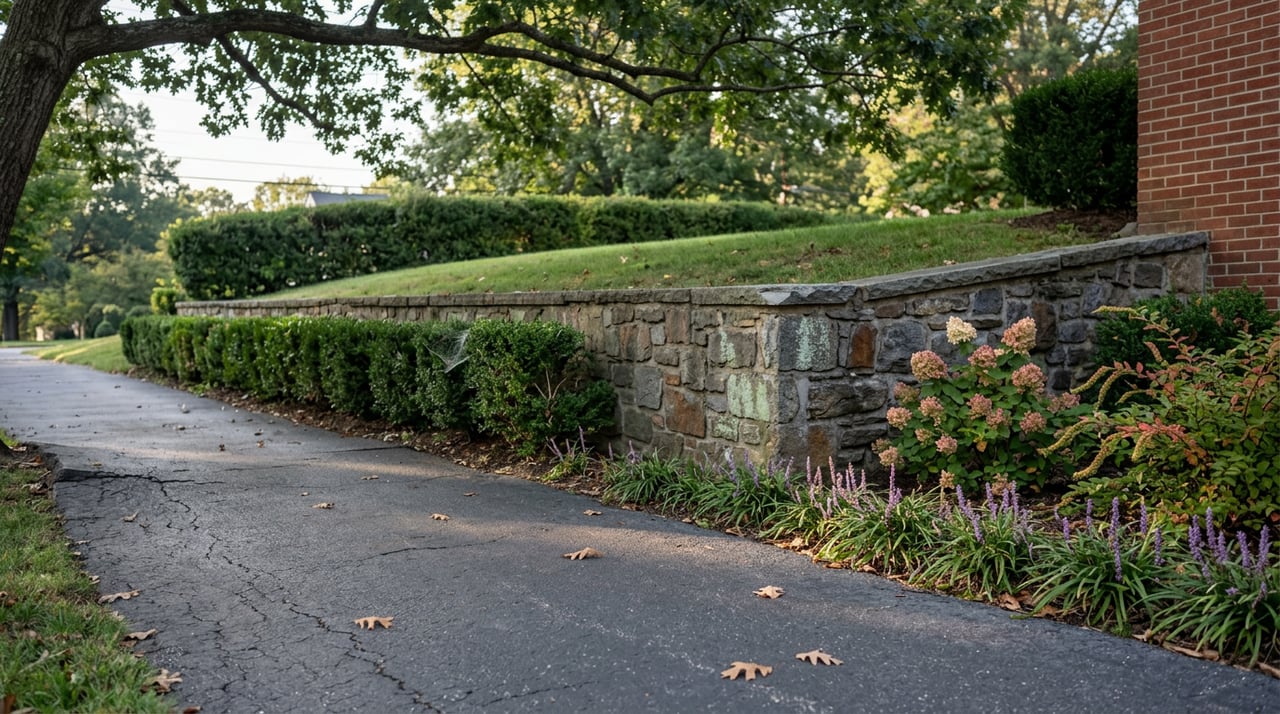
Atlanta’s tree protection rules apply to removals, mitigation, and replacement. Large protected trees or tree save areas affect where your foundation and footprint can go. Plan for arborist surveys, preservation plans, and potential mitigation fees.
Utilities and stormwater
Older streets may need sewer lateral upgrades or on‑site stormwater management to meet current codes. Coordinate early on tie‑ins to avoid late‑stage surprises.
Neighborhood planning and design sensitivity
Chastain Park is not a single HOA, but certain blocks may have covenants or overlays. The local Neighborhood Planning Unit process and community expectations around scale, massing, and tree removal can shape design and timing. Engaging neighbors early reduces friction.
Timelines and inspections
Plan review and inspection schedules depend on project complexity and City workload. Larger custom builds or variance requests can prolong the process. Longer timelines increase carrying costs, so factor them into your financial model.
What sells in Chastain Park
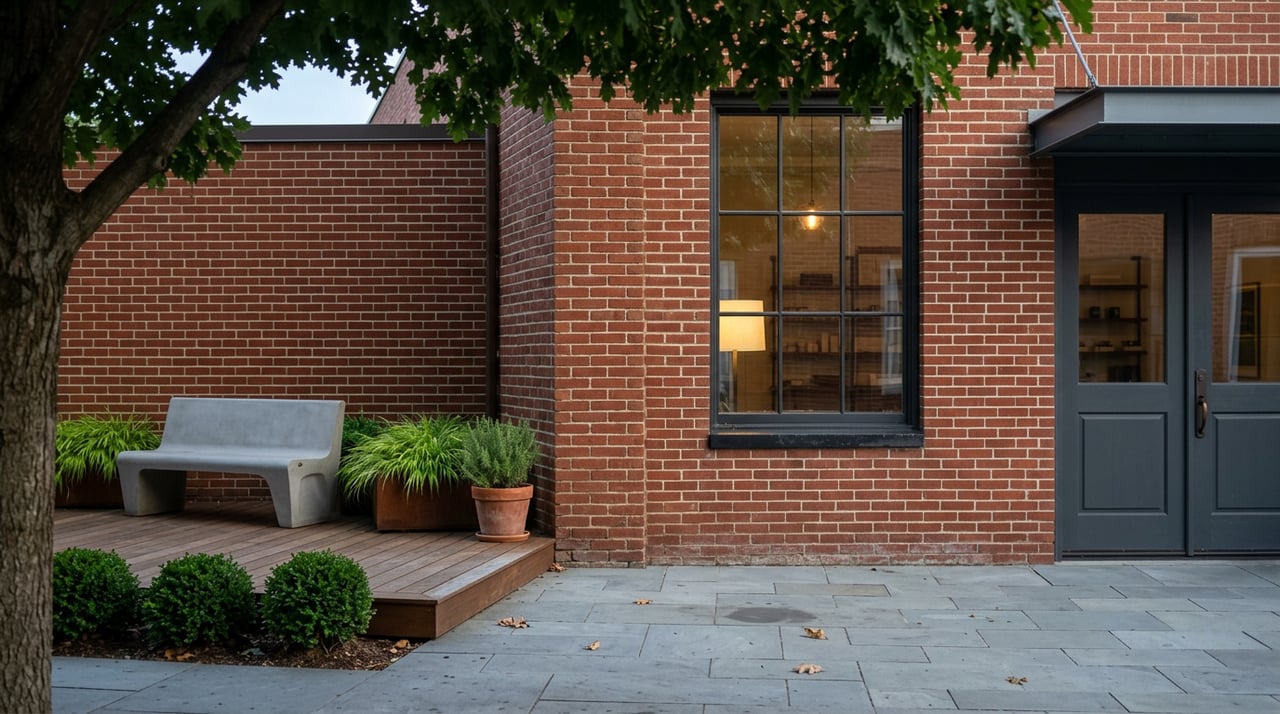
Buyers favor walkability to the park, private settings within the canopy, and modern floor plans. Indoor‑outdoor living, generous parking, and quality finishes stand out. There is robust demand for turnkey, high‑quality new construction, especially among buyers seeking contemporary amenities in a park‑centric setting.
Tasteful, high‑quality renovations can compete well, especially when they preserve mature landscaping and fix the floor plan. Conversely, buyers may discount homes with older systems or constrained layouts, even if the finishes look new.
Pricing and liquidity realities
Premium locations typically see shorter days on market, but luxury and new construction can sit if priced too aggressively or if the market shifts mid‑project. If you are investing, build conservative absorption and pricing scenarios into your model. If you are an end user, weigh the lifestyle and customization value against time and carrying costs.
Due diligence checklist before you buy
- Pull recent comps for renovated homes near the park, recent new builds, and tear‑downs or lot sales on comparable blocks.
- Confirm zoning, setbacks, FAR, and any overlay or historic restrictions with the City of Atlanta.
- Order a current survey and a tree inventory with a licensed arborist to map root protection zones.
- Get a geotechnical report if planning additions, basements, or major foundation work.
- Review utility locations and whether sewer laterals or stormwater systems will need upgrades.
- Request prior permits and inspection history for the existing structure.
- Obtain preliminary, scope‑based budgets and timelines from 2 to 3 local builders or GCs.
- Ask builders about staging, access, and parking constraints specific to Chastain Park blocks.
Budgeting and financing essentials
- Build a line‑item budget: acquisition, demolition, hard costs, soft costs, landscaping, contingency, financing, and resale costs if applicable.
- Confirm permitting timelines and potential variance hearings before closing.
- Discuss construction or renovation lending requirements with your lender, including draw schedules and inspections.
- Model carrying costs for best‑case and conservative timelines.
- Plan for property tax reassessment after significant improvements.
Common pitfalls to avoid
- Underestimating tree protection rules, mitigation, or root zone impacts on your footprint.
- Overlooking sewer or stormwater upgrades for older lots.
- Assuming a quick permit when your plan needs variances or NPU input.
- Budgeting a light cosmetic refresh when structural or systems work is likely.
- Pricing a finished project at top‑quartile comps without accounting for design, exposure, or buyer absorption.
A practical decision framework
- Start with the lot. If the site is premium for park proximity, views, or privacy, a new build may unlock the full value. If the lot is solid but not rare, a smart renovation can deliver strong utility and resale.
- Evaluate the structure. If you can modernize the layout and systems efficiently, renovation can be faster and less capital‑intense. If the plan is fragmented, ceiling heights are low, or systems are beyond reasonable repair, compare the numbers for a rebuild.
- Stress‑test the numbers. Sum purchase, hard and soft costs, demo, mitigation, and carrying. Then compare to realistic resale under current comps and a conservative absorption timeline. End users should add lifestyle value to the equation.
Next steps
Choosing between a new build and a renovation in Chastain Park is a design, finance, and permitting puzzle. With the right comps, early arborist and zoning checks, and a realistic schedule, you can make a confident decision that fits your goals. If you want a tailored, low‑volume advisory approach and design‑forward marketing for eventual resale, connect with Sonny Jones for a private consultation.
FAQs
How do Chastain Park lot premiums influence my decision?
- Premiums for park or golf exposure can make new construction more compelling, since a modern layout may capture higher resale on a rare site.
What permits are required in the City of Atlanta for a teardown?
- Expect demolition permits, building permits, and plan reviews; some projects also need variances or administrative approvals tied to zoning and site constraints.
Are Atlanta’s tree rules a big factor for additions?
- Yes, protected or specimen trees drive design and can require mitigation or replacement, so secure an arborist survey and coordinate with City requirements early.
Which is typically faster in Chastain Park: renovate or build new?
- Smaller renovations are usually faster; full teardowns with design, permitting, and construction often add months and can extend to a year or more depending on scope.
Can a high‑quality renovation compete with a new build on resale?
- It can, especially when the layout is truly modernized and the landscape is preserved; buyers may discount renovations with older systems or constrained flow.
What hidden costs surprise buyers most in this neighborhood?
- Tree mitigation, site remediation, utility upgrades, structural surprises once walls are opened, and longer permitting due to neighborhood review are common.