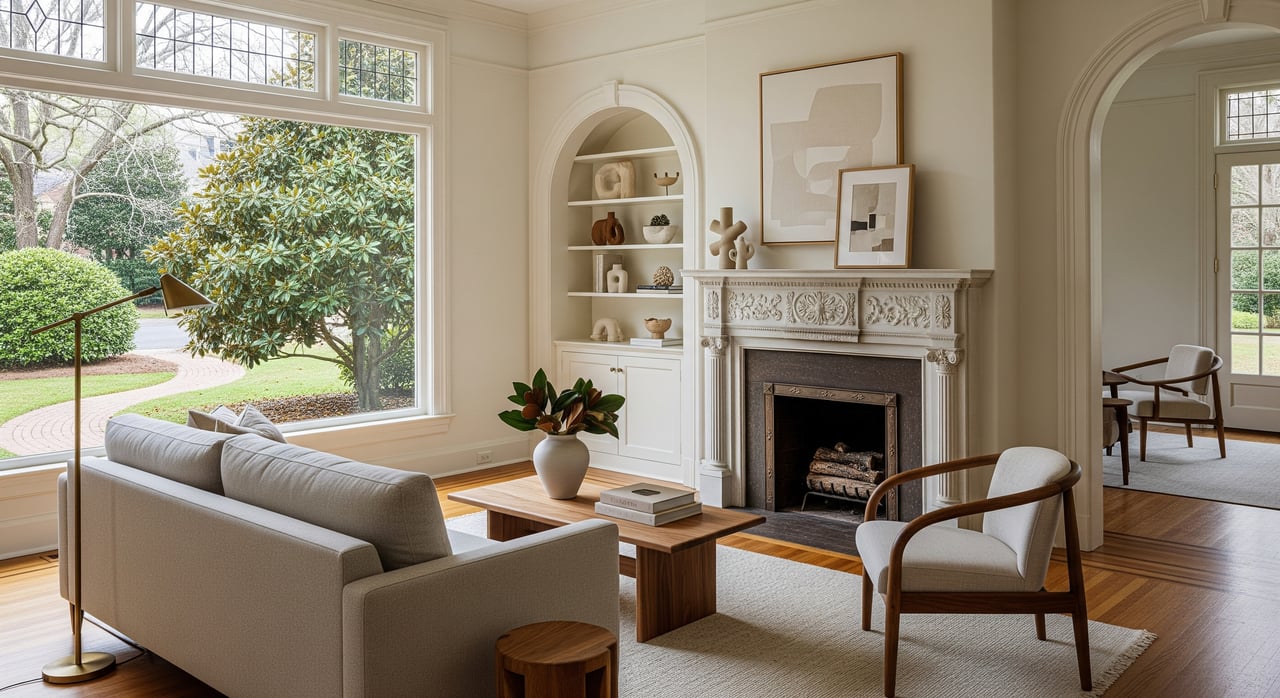
Is your 1920s Garden Hills home long on character but not sure how to present it for today’s buyer? You are not alone. Buyers in this Buckhead-area neighborhood love original details, yet they expect modern function and polished presentation. In this guide, you’ll learn how to stage Tudor, Georgian, and Craftsman homes so the period charm shines while the living experience feels current and effortless. Let’s dive in.
What Garden Hills buyers notice first
Many Garden Hills buyers want a blend of historic craftsmanship and everyday convenience. They look for intact millwork, fireplaces, and built-ins, paired with thoughtfully updated kitchens and baths. They also pay attention to flow, natural light, and outdoor living potential across porches, patios, and shaded yards.
Because some properties may be subject to historic guidelines or covenants, confirm any exterior approvals before you paint, change windows, or rework porches. Check with the City of Atlanta Historic Preservation office and the Garden Hills Civic Association if applicable. Keep permits and approvals organized so you can share them with confidence during showings and due diligence.
Atlanta’s climate shapes what works. Highlight cooling comfort with clear evidence of functioning AC, clean vents, and ceiling fans where appropriate. Use breathable fabrics like linen and cotton, and avoid heavy drapery that blocks light. Make sure basements, crawlspaces, and attics look clean and dry, and have documentation ready for any recent inspections or treatments.
Stage by style: make character the star
Tudor Revival: lighten and layer
Tudor homes often feature steep gables, half-timbering, multi-pane windows, and rich, dark-stained woodwork. Your goal is to celebrate the drama without letting rooms feel dim.
- Keep walls in warm, light neutrals like soft cream or warm greige to balance darker trim.
- Use contrast. Pair original dark trim with light upholstery and rugs to open sightlines.
- Choose a few jewel-tone accents, such as deep blue or hunter green, in pillows or art for a period nod.
- Replace heavy drapes with simple sheers or leave windows bare where privacy allows.
- Layer light with table lamps and picture lights to brighten corners and highlight woodwork.
- If you have historic fixtures, consider rewiring rather than replacing to preserve authenticity.
Georgian or Colonial Revival: timeless and functional
Georgian homes shine with symmetry, crown molding, paneled doors, and proportioned rooms. You want a formal, timeless look that still reads as highly usable.
- Use classic palettes like soft gray or muted blue with crisp white trim for a fresh, enduring feel.
- Furnish formal rooms to scale, and show flexibility where it makes sense, such as a dining room staged as an office.
- Keep the center hall clear to showcase circulation and symmetry. Remove pieces that block pathways or sightlines.
- In kitchens and baths, small updates like cabinet refacing, new hardware, and classic fixtures can strike a balance between modern function and period integrity.
Craftsman and Bungalow: warm and connected
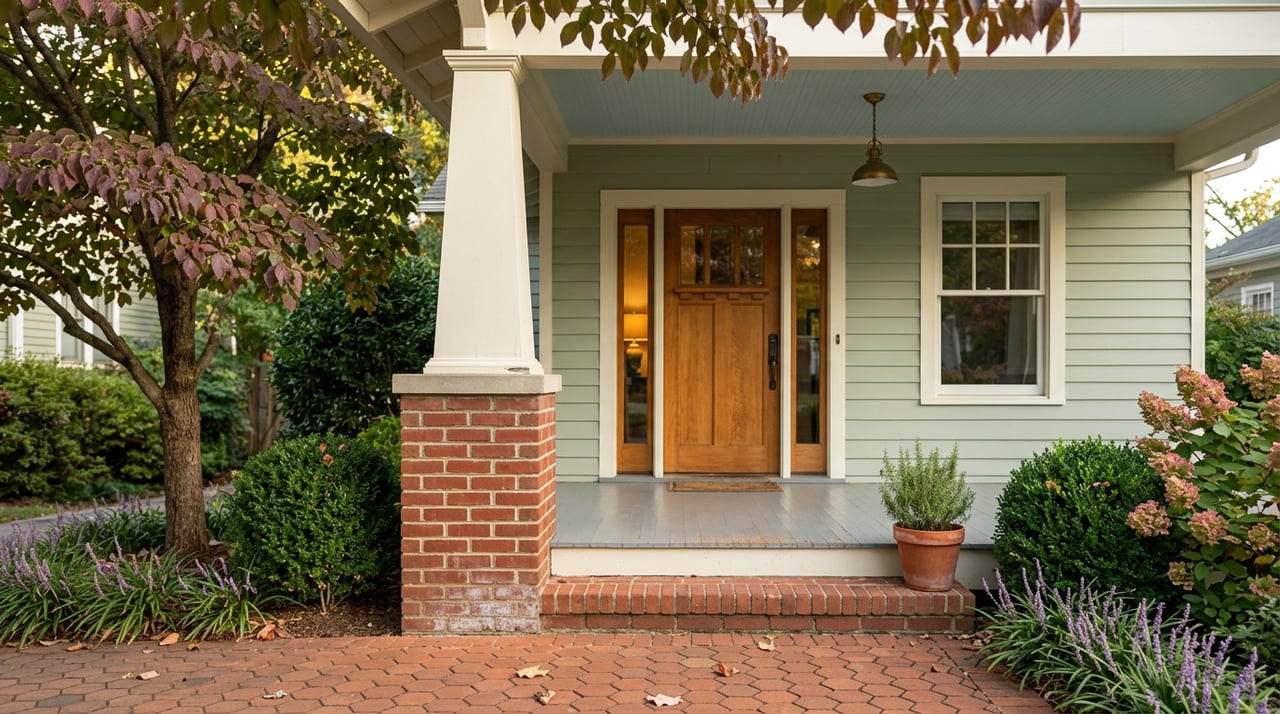
Craftsman homes celebrate natural materials, built-ins, wide trim, and welcoming porches. The goal is a warm, handmade feel with a clean, updated presentation.
- Choose warm neutrals and nature-forward accents, such as sage, ochre, or terracotta, used sparingly.
- Style built-ins and fireplaces with a lean, curated hand so the cabinetry and tile remain the focus.
- Refinish original hardwoods when feasible, and repair small areas instead of replacing to preserve character.
- Stage the front porch with a compact bistro set or rocker to emphasize everyday outdoor living.
Color and lighting that flatter 1920s homes
A neutral base with period-aware accents creates flow through the smaller, connected rooms common to 1920s homes. Warm whites, creams, and greige tones maximize light and make spaces feel larger. Pull accent colors from your home’s style: jewel tones for Tudor, powdery blues and classic navies for Georgian, and olive, mustard, or rust for Craftsman.
Maximize daylight by trimming overgrown plantings where allowed and simplifying window treatments. Inside, layer ambient, task, and accent lighting. Use warm LED bulbs around 2700 to 3000K to render wood tones and wall colors accurately. Where you have vintage fixtures, professional rewiring helps you keep the history intact while meeting safety and function needs.
Furniture scale and layout for better flow
Older homes thrive on proportion. Choose right-sized pieces so rooms feel generous and easy to navigate. Keep 24 to 36 inches clear along primary walkways, and avoid blocking the fireplace, built-ins, or signature windows with bulky furniture.
In larger rooms, float seating to create defined conversation areas and showcase symmetry or architectural details. Remove unnecessary pieces so every room reads with one clear purpose. A restrained layout helps buyers visualize their lifestyle without distraction.
High-impact updates that respect character
Focus on cosmetic refreshes that buyers notice quickly and that preserve original features:
- Paint: fresh, neutral paint throughout with careful trim repair.
- Floors: refinish existing hardwoods, and spot-repair where possible.
- Hardware: swap dated pulls and knobs for period-appropriate finishes like aged brass or matte black.
- Kitchens: consider cabinet paint or refacing, upgraded counters where visibly dated, a new sink or faucet, and updated lighting to modernize the look.
- Bathrooms: re-caulk, update vanity hardware, replace dated mirrors and lights, and reglaze tubs only when needed.
- Windows: repair or reglaze and add low-profile interior shades rather than full replacement if historic value is a selling point.
- Systems: keep documentation for recent HVAC, roof, plumbing, and electrical work. Proof of care increases buyer confidence.
Curb appeal and outdoor living
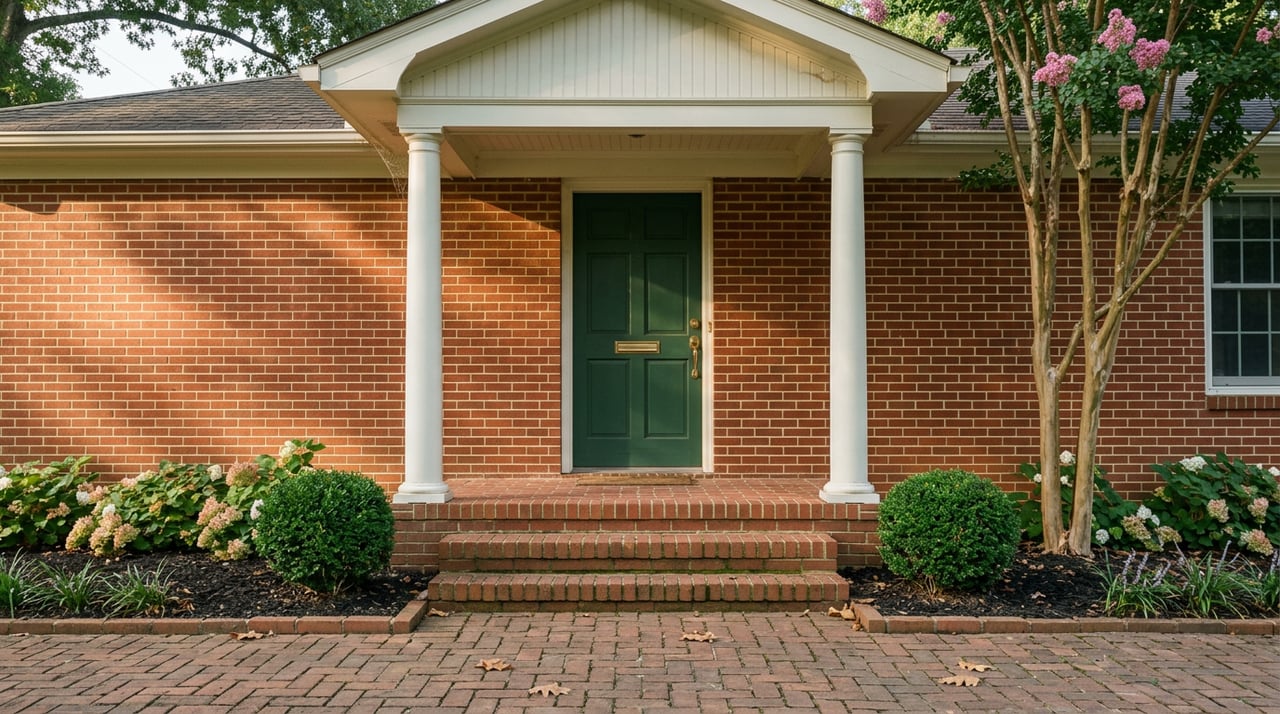
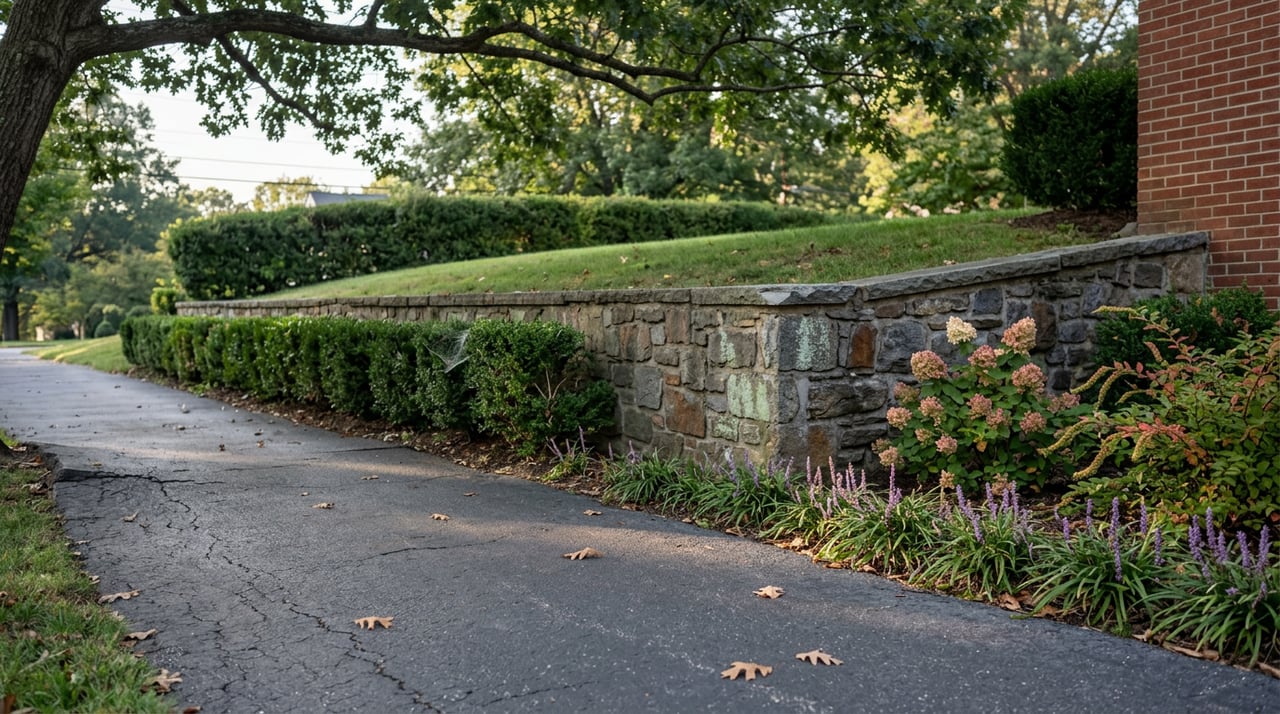
First impressions begin at the sidewalk and the porch. Power-wash brick and steps, and repaint or replace the front door if it looks tired. Dress the entry with potted plants and a clean welcome mat. Mulch beds, trim hedges, and be mindful of heritage trees or neighborhood guidelines before pruning.
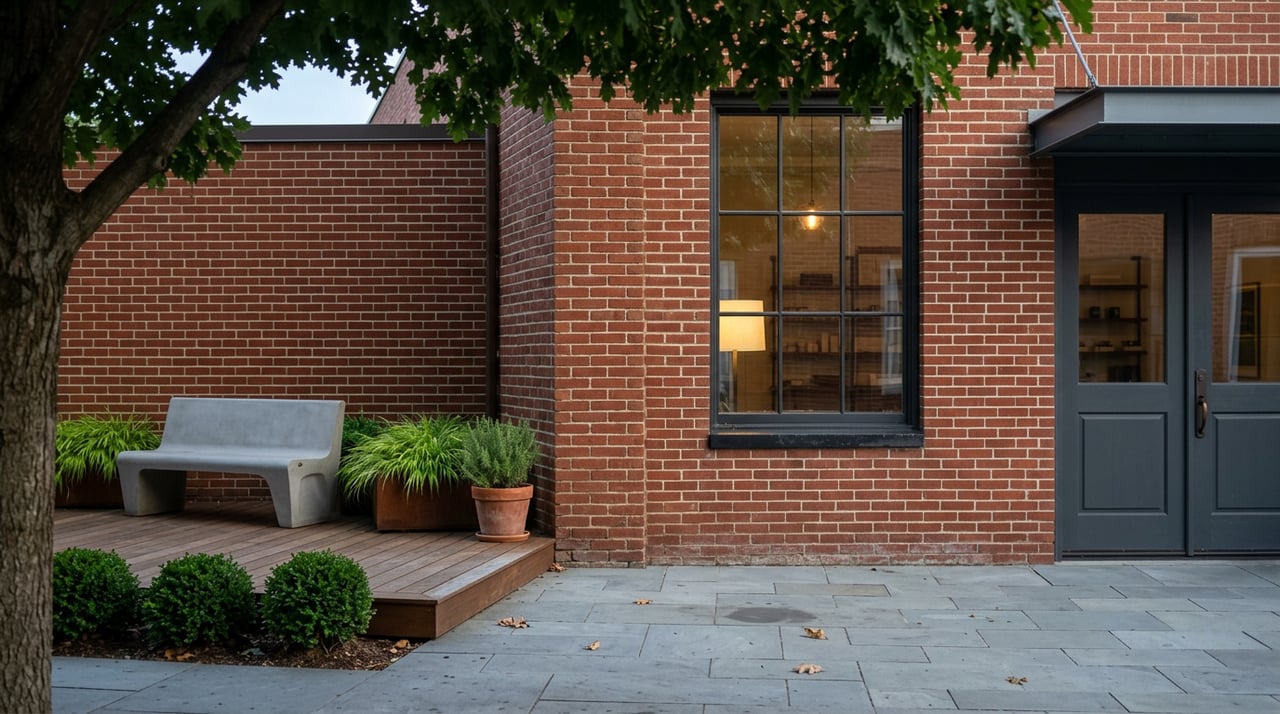
Stage porches and patios to show how you live outside in Atlanta’s mild seasons. Add low-voltage path lighting and a few tasteful uplights to highlight mature trees for twilight photography. These small touches frame your home’s architecture and extend the perceived living space.
Photography, floor plans, and digital presentation
Professional photography is essential for premium Garden Hills listings. Capture close-ups of millwork, fireplaces, built-ins, and leaded glass, paired with wider shots that show flow and natural light. Consider twilight photos to showcase landscape lighting and porches.
Floor plans help buyers understand how rooms connect and how the home will live day to day. Video walkthroughs and 3D tours add value, especially for out-of-area buyers who rely on digital viewing. If you use virtual staging on vacant rooms, make sure any photo edits are clearly disclosed per MLS and state rules.
Budget and ROI: where to invest
In this market, staging and cosmetic updates often deliver the best return in the kitchen, the primary bath, the main living area, and the front entry or porch. Occupied-home consultations and minor staging typically cost in the low to mid hundreds up to a few thousand dollars. Full staging for a vacant higher-end home, with furniture rental across multiple rooms, can run into the multiple thousands per month.
Cosmetic updates, such as paint, new hardware, and light fixtures, are usually in the low to mid thousands and tend to be cost-effective. Ask for multiple local quotes, then compare the spend to the likely impact on price and days on market using recent neighborhood comps. A quick breakeven analysis helps you invest with confidence.
Local rules, ethics, and buyer expectations
Historic character is a selling feature in Garden Hills. When repair or replacement is necessary, select sympathetic materials and document your decision-making and approvals. If you plan exterior changes before listing, a repair-first approach helps preserve original fabric and appeal to preservation-minded buyers.
Be transparent about recent work on major systems and keep receipts handy. If you use virtual staging or make significant photo edits, follow MLS and Georgia rules for disclosure. Clear, accurate representation builds trust and prevents surprises during inspections.
The simple staging checklist
- Confirm any historic or covenant rules before exterior changes.
- Deep clean, declutter, and depersonalize to reveal millwork, built-ins, and fireplaces.
- Paint in warm, light neutrals, and coordinate trim and walls, especially in Tudor rooms with dark woodwork.
- Lighten windows with simple shades or sheers where privacy allows.
- Refinish hardwoods and scale area rugs correctly.
- Refresh the kitchen with cabinet paint or refacing, updated lighting, and clean, styled counters.
- Update bathroom lighting, mirrors, and hardware, and clean or re-caulk grout lines.
- Stage porches and the front entry with seating, plants, and functional lighting for twilight photos.
- Hire a photographer experienced with historic homes, and include a floor plan and 3D tour.
- Prepare a one-sheet summarizing recent system updates and permits for buyer review.
Ready to position your Garden Hills classic for today’s buyer?
A thoughtful, style-specific plan will showcase your home’s best qualities and demonstrate modern livability. Focus on light, flow, and function while preserving the features that make your 1920s property special. With the right cosmetic updates, well-scaled furnishings, and clear documentation, you can attract discerning buyers and support stronger offers.
If you want a design-led strategy, vendor introductions, and white-glove execution tailored to Garden Hills, connect with Sonny Jones. Request a private consultation and let’s build a plan that honors your home and meets the market.
FAQs
What makes 1920s Garden Hills homes appealing to today’s buyers?
- Many buyers value original details like millwork and fireplaces paired with modernized kitchens, baths, and comfortable flow that supports everyday living.
How should I stage a Tudor Revival home in Garden Hills?
- Balance dark woodwork with warm, light wall colors, lighter upholstery and rugs, layered lighting, simplified window treatments, and rewired vintage fixtures where possible.
What low-cost updates deliver strong visual impact before listing?
- Fresh paint, refinished floors, updated hardware and lighting, cosmetic kitchen and bath refreshes, and tidy landscaping typically provide noticeable returns.
Do I need approval for exterior changes in Garden Hills?
- You should verify historic-district guidelines and any neighborhood covenants with the City of Atlanta and the Garden Hills Civic Association before making exterior changes.
How do I stage for Atlanta’s climate in a 1920s home?
- Show clear cooling comfort with functioning AC and ceiling fans, use breathable fabrics, avoid heavy drapery, and present clean, dry basements and crawlspaces.
Is virtual staging a good idea for a Garden Hills listing?
- Virtual staging can help market vacant rooms, but you should disclose edits per MLS and Georgia rules and complement with floor plans, video, or 3D tours for context.