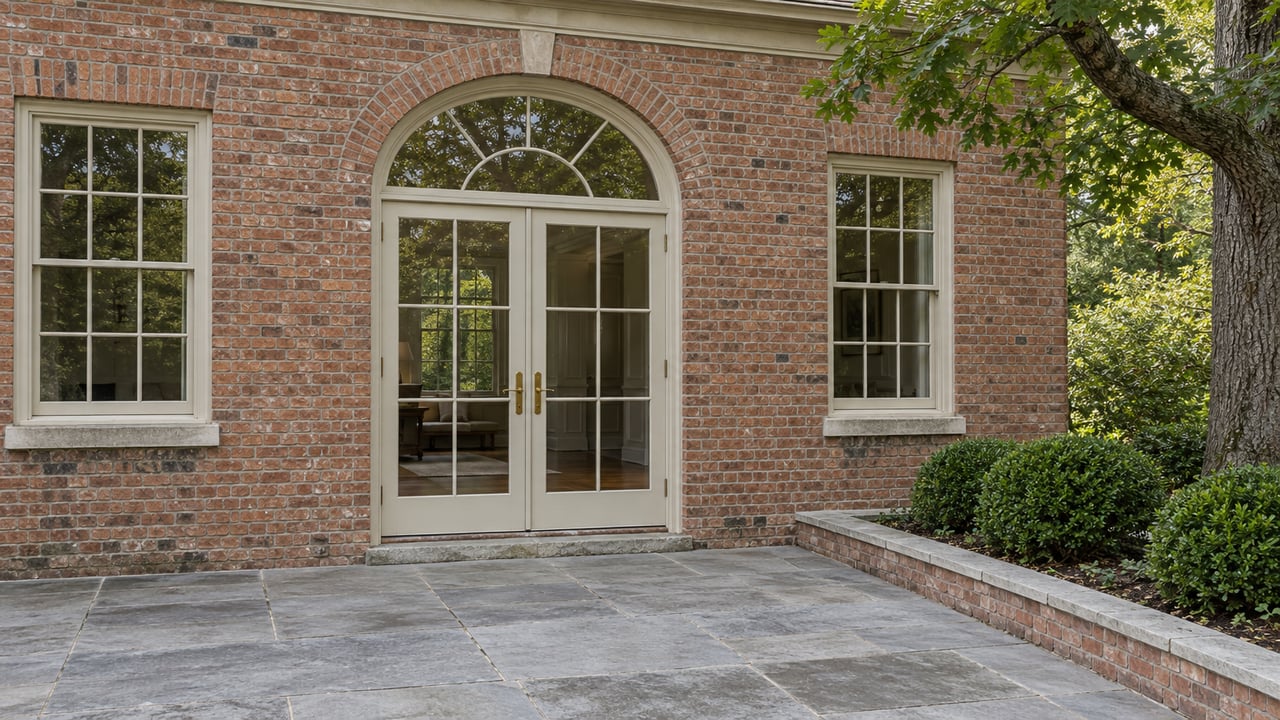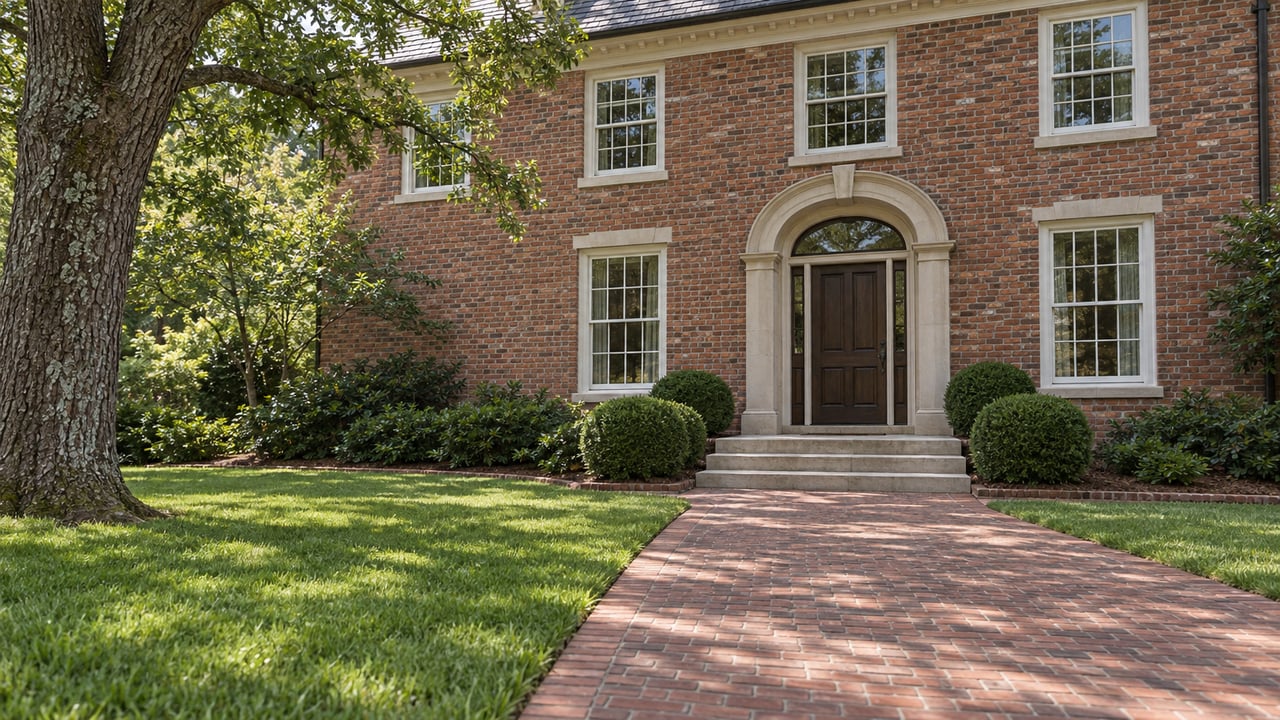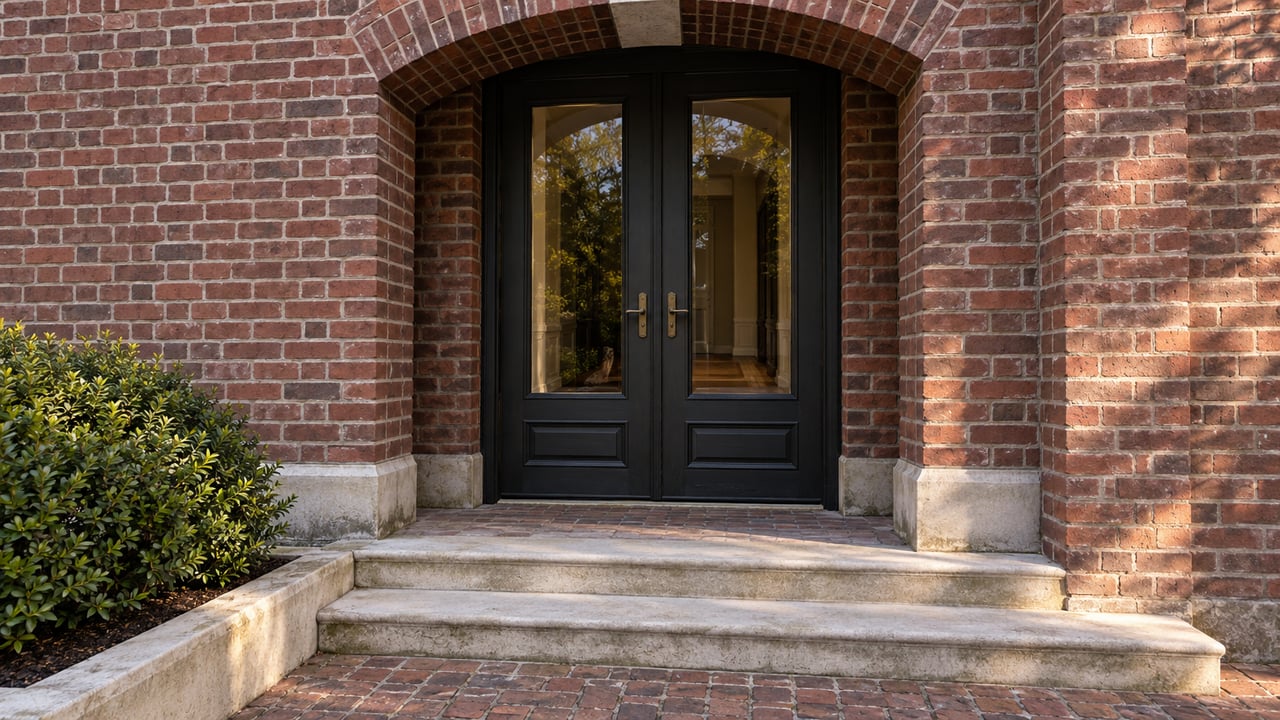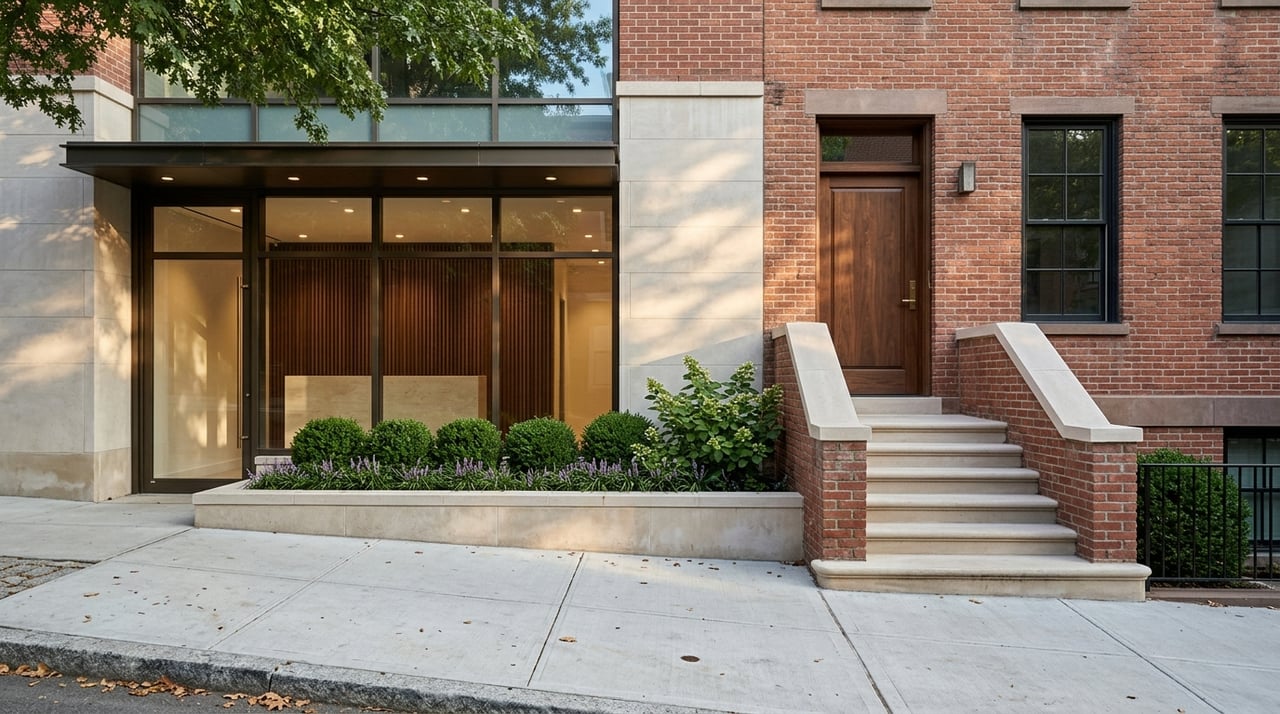
If you are deciding between a condo and a townhome in Midtown, you are not just choosing a floor plan. You are choosing how you want to live day to day, what kind of maintenance you want to manage, and how much flexibility you want in your monthly costs. In a place as walkable and transit-connected as Midtown, those details matter more than many buyers expect. Let’s dive in.
Why Midtown changes the equation
Midtown is not a typical low-density neighborhood where most homes follow the same pattern. Midtown Alliance reports that the area has four MARTA rail stations, more than five miles of bike lanes, 15 miles of new sidewalks, and about 20,000 residents alongside more than 70,000 daily employees. It also notes that 96% of office buildings are within a six-minute walk of a transit station.
That kind of urban layout makes convenience a major part of the buying decision. If you want to walk to restaurants, use transit regularly, and spend less time on exterior upkeep, a condo may feel like a natural fit. If you want a more private, house-like setup while still staying close to Midtown’s core, a townhome may be worth the premium.
Midtown also has strong activity across both ownership and rental housing. Realtor.com shows 354 homes for sale, a median listing price around $350,000, 57 days on market, a 99% sale-to-list ratio, and 913 rental listings. That suggests an active buyer and renter pool, which can matter when you eventually sell.
Condo vs. townhome in Georgia
Before you compare finishes, views, or parking, it helps to understand what these property types mean legally in Georgia. In Midtown, the label on the listing does not always tell the full story.
What a condo means
In Georgia, a condominium is a legal form of ownership, not just a building style. State law defines a condo unit as the unit itself plus an undivided interest in the common elements. That shared ownership structure is why condo living often involves more association oversight and more shared rules.
Georgia law also requires the condo association to carry property insurance for the buildings and structures, including common elements, roofs, exterior walls, windows and doors, and certain interior systems such as HVAC and sheetrock. In practical terms, that often means condo ownership comes with a broader shared maintenance and insurance framework.
What a townhome means
A townhome can feel more like a traditional house, but the legal setup can vary. Under Georgia’s Property Owners’ Association Act, many townhomes are organized as separately owned lots within a development that may also include common areas and shared expenses.
That means one Midtown townhome community may have light association involvement, while another may include more robust maintenance, insurance, or shared amenities. You cannot assume a townhome is always fee-simple or always low-dues just because of the architecture.
Price differences in Midtown
For many buyers, the first big tradeoff is the cost to get in. In Midtown today, condos and townhomes typically sit in different price bands.
A current Redfin snapshot shows 326 condos for sale in Midtown with a median listing price of $350,000. The same snapshot shows only 6 townhouses for sale with a median listing price of $837,000. That townhome sample is small, so the median can move quickly, but the larger pattern is still clear: condos are more common and generally more accessible at the entry point, while townhomes are scarcer and often priced much higher.
That scarcity can influence your search in real ways. If you want more options, more building styles, and a lower initial price point, condos dominate Midtown inventory. If you are focused on a townhome, you may need to be more patient, more flexible, or ready to act quickly when the right one appears.
Monthly costs are not always what they seem
A lower purchase price does not always mean a lower monthly carrying cost. This is where buyers need to slow down and compare line items carefully.
How condo dues often work
Because Georgia condo associations typically insure more of the building envelope and certain unit systems, condo dues often cover a broader set of shared expenses. That can include items tied to exterior maintenance, roofs, windows, insurance, and reserves, depending on the building.
At first glance, those dues may seem high. But if they are covering major items that you would otherwise insure or maintain more directly, the full cost picture may be more balanced than it appears.
How townhome dues can vary
Townhome dues are often less uniform. Some Midtown communities may keep dues lean, while others may include gates, landscaping, exterior maintenance, or participation in a master association.
That is why comparing just the dues amount can be misleading. A lower monthly number is only better if you also understand what you are still responsible for on your own.
Property taxes and homestead exemptions
Your tax picture can also affect long-term affordability. Fulton County assesses property annually at fair market value, and homeowners who occupy a property as their primary residence may qualify for homestead exemptions.
According to Fulton County, exemptions can vary by taxing jurisdiction, and applications must be filed by April 1 for the current tax year. Once granted, the exemption generally renews automatically as long as ownership and occupancy continue. Whether you buy a condo or a townhome, it is worth confirming how the property is assessed and whether you plan to claim it as your primary residence.
Lifestyle fit matters as much as price
In Midtown, this decision is often about rhythm more than square footage. The best choice is the one that supports how you actually live.
When a condo may fit better
A condo often works well if you want a simpler, more urban lifestyle. Many buyers like the lock-and-leave convenience, the stronger connection to walkability and transit, and the reduced need to think about exterior upkeep.
If your week is full and you want your home to feel efficient and low-friction, a condo can be a very strong match for Midtown. The neighborhood’s density, mixed-use pattern, and transit access all support that kind of day-to-day living.
When a townhome may fit better
A townhome often appeals if you want more separation from neighbors, a more house-like layout, or a greater sense of privacy. In Midtown, that can mean a different daily feel even when you are still close to the same shops, offices, and transit lines.
For some buyers, that added privacy is worth the higher price and smaller pool of available options. If you want urban convenience without fully embracing high-rise or mid-rise condo living, a townhome can offer a middle path.
Resale depends on the specific building or community
It is tempting to ask which property type has better resale, but in Midtown the smarter question is often which specific property is better positioned. Midtown Alliance’s investment trends, job base, and transit network suggest strong ongoing relevance for attached housing in the district.
The rental inventory also points to a broad future audience of both renters and owner-occupants. Still, one condo building can perform very differently from another, and one townhome community can carry very different rules, fees, and buyer appeal than the next.
Statewide data supports the idea that attached housing is a well-established segment in Georgia. The Georgia Association of REALTORS reported a 2025 median sales price of $320,000 for townhome-condo properties versus $370,000 for single-family homes, with average days on market of 59 versus 55. The City of Atlanta also led the report’s townhome-condo market-share table at 28.7%.
That does not guarantee outcomes in Midtown, but it does reinforce that condos and townhomes are mainstream resale categories rather than fringe product types. In practice, condition, dues, legal structure, building reputation, and rules often shape resale more than the word “condo” or “townhome” alone.
Questions to ask before you buy
The right Midtown purchase usually comes from careful building-by-building review. Before you move forward, make sure you can answer these questions clearly:
- Is the home legally a condominium, a fee-simple townhome, or a condo-townhome arrangement?
- What do the dues cover, including exterior maintenance, roof, windows, HVAC, landscaping, security, insurance, or reserves?
- Are there special assessments, and how often have they happened?
- How many parking spaces, storage spaces, and guest spaces come with the property?
- Do leasing, renovation, pet, or rental-approval rules affect how you may use or sell the home later?
These details can shape your ownership experience just as much as the kitchen finishes or skyline view. In Midtown, smart buyers look beyond style and compare the full operating picture.
How to choose with confidence
If you want the easiest entry point into Midtown ownership, the broadest inventory, and a more lock-and-leave lifestyle, a condo will often make the most sense. If you want more privacy, a more residential feel, and you are comfortable with a thinner inventory pool and a higher typical price point, a townhome may be the stronger fit.
Neither option is automatically better. The best decision comes from matching the legal structure, monthly costs, and day-to-day lifestyle to your priorities.
In a neighborhood as nuanced as Midtown, that kind of clarity matters. If you want tailored guidance on Midtown condos, high-end townhomes, or the subtle differences between one building and the next, Sonny Jones can help you evaluate the options with local context and a more curated strategy.
FAQs
What is the main difference between a condo and a townhome in Midtown?
- In Midtown, a condo is usually a legal condominium ownership structure with shared common elements and broader association responsibility, while a townhome often has a more house-like feel but can have different legal and HOA structures depending on the community.
Are Midtown condos usually less expensive than Midtown townhomes?
- Current Midtown market snapshots show condos are generally more plentiful and have a lower median listing price than townhomes, while townhomes are much scarcer and often sit in a higher price tier.
Do Midtown condos always have higher monthly dues than townhomes?
- Not always. Condo dues often cover more shared expenses and insurance responsibilities, while townhome dues can vary widely by community, so you need to compare what each fee actually includes.
Can a Midtown townhome still have an HOA?
- Yes. Many townhomes in Georgia are part of property owners’ associations, and the rules, assessments, and common expenses are governed by the recorded community documents.
What should you review before buying a Midtown condo or townhome?
- You should review the legal ownership structure, what dues cover, any history of special assessments, parking and storage rights, and any rules related to leasing, renovations, pets, or future resale.