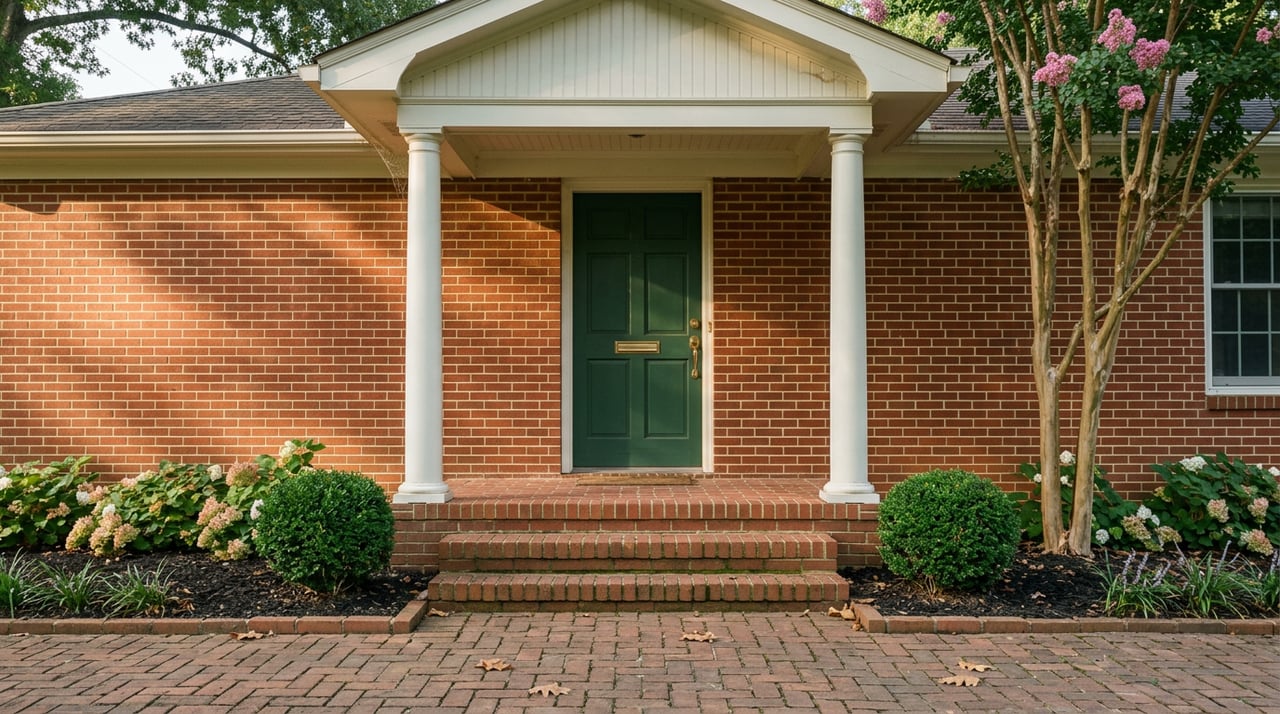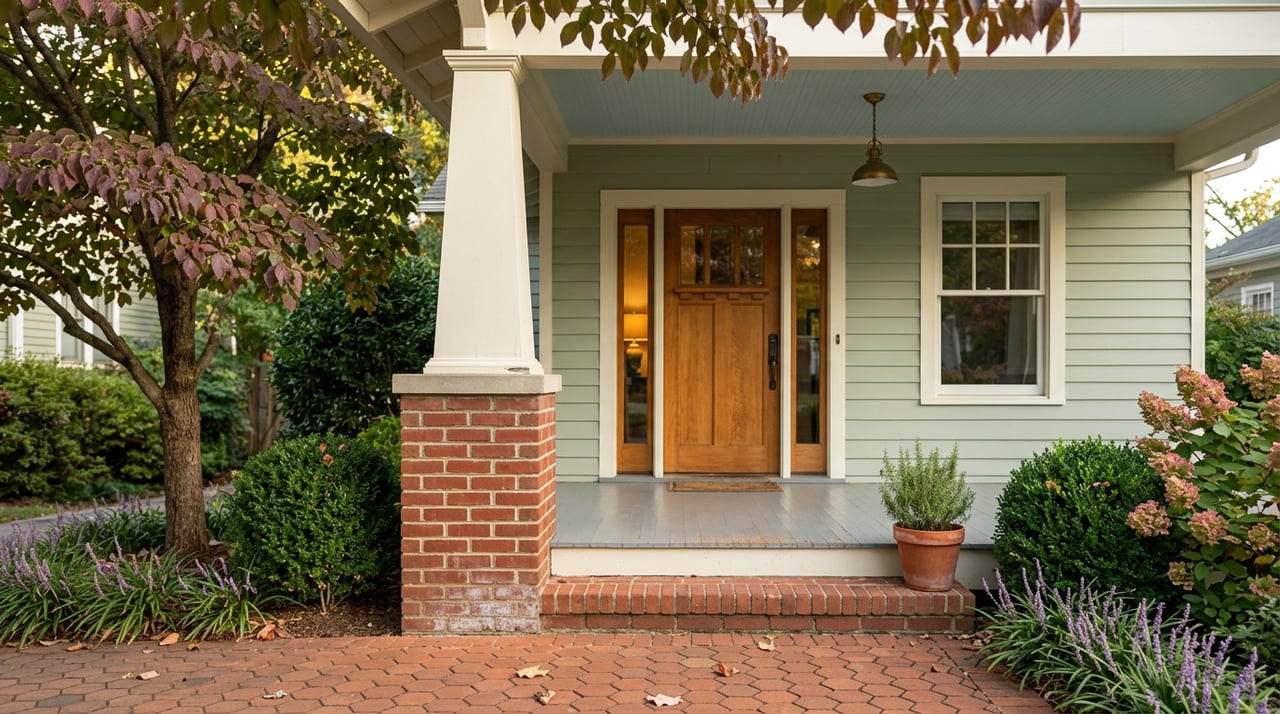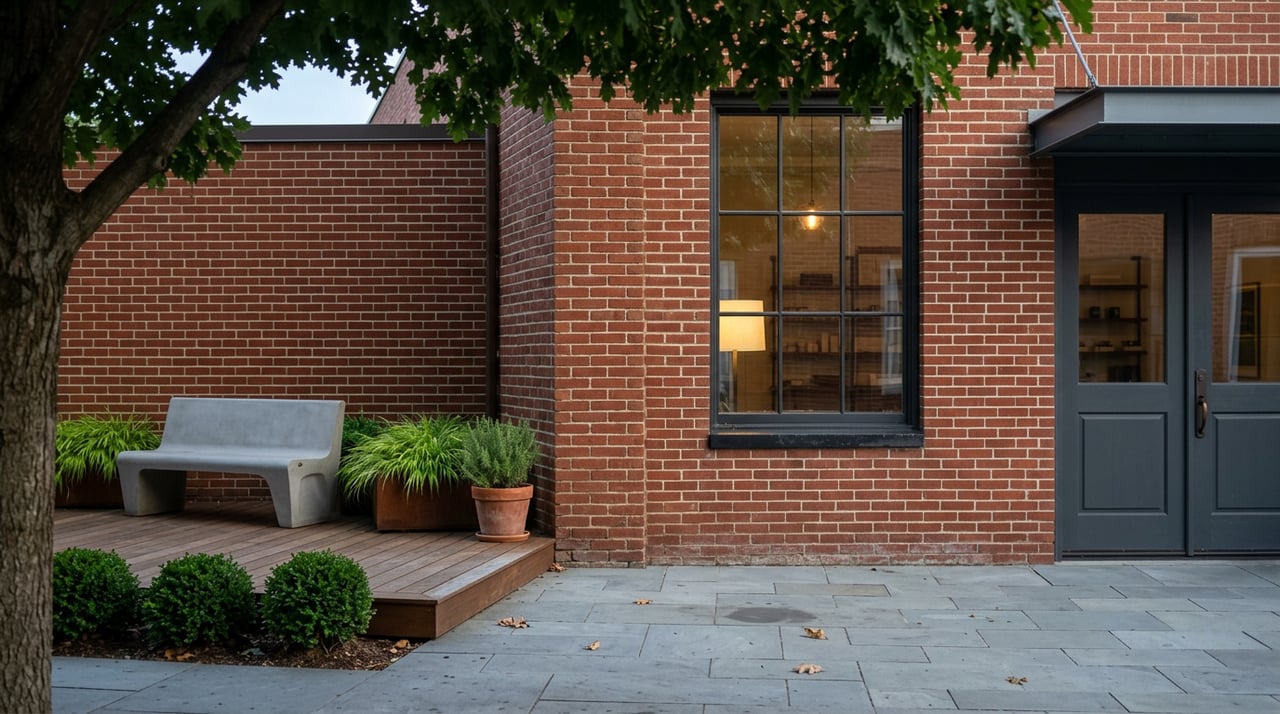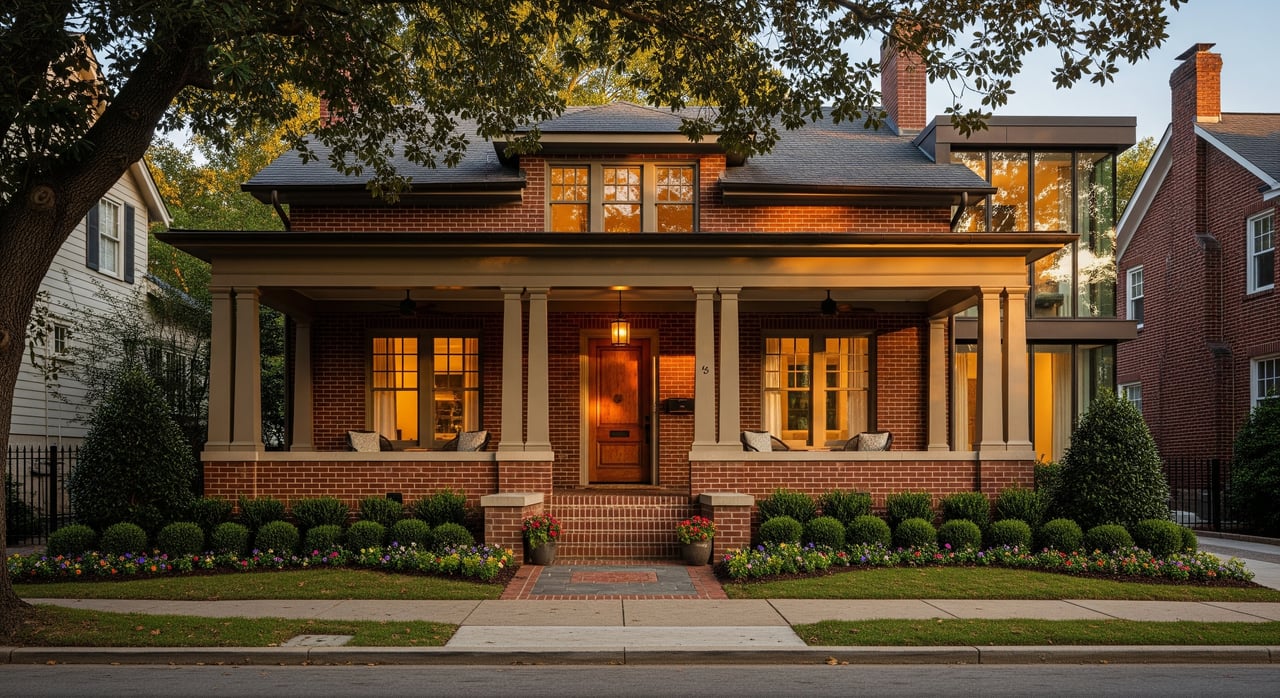
Shopping for a renovated Virginia-Highland bungalow or a new-build on a walkable street and wondering if your mortgage will count as a jumbo? You are not alone. Many intown buyers discover that a favorite home sits above the conforming loan limit, which changes how lenders underwrite and price the loan. This guide gives you a clear, local view of what a jumbo loan means in Virginia-Highland, how to prepare, and how to keep your offer competitive. Let’s dive in.
Jumbo basics in Virginia-Highland
A jumbo loan is any mortgage that exceeds the conforming loan limit set each year by the Federal Housing Finance Agency for a specific county. Loans above that limit are not eligible for purchase by Fannie Mae or Freddie Mac, so lenders apply different standards and pricing. Because limits update annually and vary by county, you should confirm the current Fulton County threshold early in your search.
Why many homes cross the limit
Virginia-Highland features renovated historic bungalows, craftsman homes, tear-down replacements, and architect-led infill. These properties often price above the conforming cap, especially when design quality and location align. If your desired loan amount sits above the county limit, you will be in jumbo territory with more documentation, higher reserve expectations, and a more detailed appraisal.
What jumbo lenders expect
Jumbo underwriting is more conservative than standard conforming programs. Knowing the basics helps you prepare and move faster when the right home hits the market.
Credit and DTI
- Lenders commonly look for higher credit scores, often in the 700–740+ range for the best terms.
- Debt-to-income ratios are typically kept in the mid 40s. Some lenders allow up to about 45–50 percent for well-qualified borrowers with strong reserves and stable profiles.
Down payment and LTV
- Many jumbo programs expect 10–20 percent down for strong borrowers.
- Higher loan-to-value options above 80 percent do exist, but they usually come with tighter credit and reserve requirements.
Cash reserves and assets
- Expect more cash reserves than a conforming loan. Requirements often range from several months of full housing payments to a year or more for larger loans or complex profiles.
- Be ready to document assets with full statements, and show sourcing for large deposits.
Income documentation
- Employees typically provide two years of W-2s and recent paystubs with year-to-date income.
- Self-employed buyers should plan on two years of business returns, year-to-date profit and loss statements, and evidence that the business is stable and ongoing.
Pricing and fees
- Jumbo rates are typically higher than conforming loans. The spread changes with the market and your profile.
- Some banks and credit unions may price competitively for existing relationship clients through portfolio programs.
Program types
- Standard purchase jumbos, bank portfolio loans, and niche products for specific professions or self-employed borrowers are all common.
- Portfolio loans can be more flexible on underwriting but may carry higher costs.
Appraisals for bungalows and new builds
Virginia-Highland appraisals require nuance. Renovations and boutique new construction can make comparable sales scarce, which can affect value conclusions and timelines.
Renovated historic bungalows
- Appraisers try to use comparable sales with similar levels of renovation and finish. If comps are limited, they must explain and adjust.
- Recent renovations may call for an interior inspection or an as-completed appraisal when updates are not reflected in records.
- Strong documentation helps. Provide permits, contractor invoices, a detailed scope of work, and before-and-after photos when available.
- Lenders pay close attention to permitting for structural or major systems. Unpermitted work can reduce value or require remediation before closing.
New builds and infill homes
- End loans on new construction usually require a certificate of occupancy before funding.
- You may see a construction-to-permanent loan that converts at completion, or a two-close path with a separate end loan.
- Appraisers rely on builder contracts, plans, specs, and comparable new-construction sales. Lenders may hold funds in escrow until final inspections.
- Builder reputation and warranties matter. For high-price or small-builder projects, lenders may ask for extra details on the builder.
Condos and accessory units
- For condos and homes with an ADU, project eligibility, HOA financials, and rental restrictions can influence jumbo approval.
- Some jumbo programs are stricter than conforming on condo criteria and investor exposure within the building.
Pre-approval checklist for jumbo buyers
Getting your file clean and complete can speed up underwriting and strengthen your offer.
- Identification: Valid photo ID and Social Security number
- Income: Last two years of federal tax returns, two years of W-2s, 30–60 days of paystubs; for self-employed, two years business returns, current P&L and balance sheet
- Assets: Two to three months of bank statements, retirement and investment account statements, documentation for large deposits or transfers
- Credit: Authorization to pull credit; letters of explanation and records for any late payments or prior derogatory items
- Liabilities: Documentation for student loans, auto loans, and any alimony or child support
- Property items: Purchase contract and addenda when available; HOA docs for condos; builder contract, specs, permits, and schedule for new builds; evidence of permits for major renovations
- Other: Gift letters and proof of donor funds, divorce or separation agreements if applicable
- Practical prep: Avoid new debt, new credit inquiries, or closing accounts during underwriting. Be ready to explain large deposits.
Timeline and rate lock planning
Jumbo files take coordination across pre-approval, appraisal, underwriting, and closing. Plan your lock and contingencies around realistic timing.
Typical timeline
- Pre-approval: 1–3 days for an initial conditional decision after you submit documents
- Appraisal: 7–14 business days, longer for complex properties or scarce comps
- Underwriting to clear-to-close: 2–4 weeks after a complete submission; local portfolio lenders can sometimes go faster
- Construction-to-perm: Depends on the build schedule, inspections, and certificate of occupancy
Rate locks
- Most locks run 30–60 days, with longer options available for a fee.
- Align your lock window to cover appraisal scheduling and underwriting milestones to avoid extension costs.
Appraisal contingencies and competitive offers
- Appraisals on design-forward renovations can be conservative if comps are thin. Help the appraiser with a clean package of invoices, permits, specs, and high-resolution photos.
- Escalation clauses and larger earnest money can strengthen your position, but raise risk if an appraisal comes in low.
- Shorter appraisal periods can appeal to sellers. Only tighten or waive contingencies if you have the liquidity to cover shortfalls.
Strengthen your jumbo offer
- Show a complete pre-approval from a lender familiar with Atlanta jumbos and intown appraisals.
- Increase down payment or lower LTV to reduce risk.
- Document strong reserves. Include a summary from your lender to reassure the seller.
- Right-size contingencies once your lender has reviewed your profile and the property’s renovation or builder docs.
Local resources to verify details
Rules, limits, and lender overlays change. Use these resources to confirm the latest specifics:
- Federal Housing Finance Agency for current county loan limits
- Fannie Mae and Freddie Mac for program guidance and automated underwriting policies
- Consumer Financial Protection Bureau for mortgage process timelines and required disclosures
- Fulton County Tax Assessor and property records for parcel data, tax history, and recorded permits
- Atlanta REALTORS Association market reports and local MLS data for neighborhood comps
- Local lenders and mortgage brokers with Atlanta jumbo experience for current rates, overlays, and program availability
Questions to ask your lender
- Do you regularly originate jumbo loans in Fulton County and have you closed deals on renovated bungalows or infill new builds in Virginia-Highland?
- What are your minimum credit score, maximum DTI, LTV caps, and reserve requirements for my target price point?
- Will you accept an as-completed appraisal for recent renovations, and what do you require for permits or a certificate of occupancy on new builds?
- What is your average turn time for jumbos, and what is the current appraisal turnaround in Virginia-Highland?
- Do you offer construction-to-permanent options and what are the draw and inspection requirements?
- How long are your standard rate locks and what are fees for extended locks?
- Do you have any overlays beyond standard agency guidance that I should know about?
Risks and tradeoffs to weigh
- Appraisal variability: Boutique renovations and one-off new builds can appraise unpredictably. Be ready with cash or a plan to renegotiate if needed.
- Timing: Jumbos can take longer. Build in time for appraisal scheduling and underwriting, and plan your rate lock accordingly.
- Cost of capital: Rates and fees can be higher than conforming. Compare total cost against alternatives like portfolio loans, more cash down, or adjusting price.
- Permits and builder diligence: Confirm permits for major work and vet builder reputation. Unpermitted changes can delay or derail a closing.
Final thoughts for Virginia-Highland buyers
A jumbo loan does not have to slow you down. With the right lender, strong documentation, and a plan for appraisal timing, you can compete confidently for the renovated bungalow or new-build you want. Focus on preparation, lean on local expertise, and use your pre-approval to help the appraiser and the seller see the full picture of value.
If you are weighing options or want a second set of eyes on a property’s renovation history or builder package, connect with Sonny Jones for a private, design-forward advisory approach.
FAQs
What counts as a jumbo loan in Fulton County?
- A jumbo loan is any mortgage above the conforming loan limit set each year for Fulton County. Check the latest FHFA limit to see if your target loan amount exceeds it.
How long does a jumbo loan closing take in Atlanta?
- From a complete file, many buyers see 2–4 weeks to clear-to-close, with appraisals commonly taking 7–14 business days. Complex properties may take longer.
Can I get a jumbo loan with 10 percent down in Virginia-Highland?
- Some programs allow higher LTVs with strong credit and larger reserves. Expect tighter guidelines and be prepared to document assets thoroughly.
How do recent renovations affect a jumbo appraisal on a bungalow?
- Provide permits, contractor invoices, a detailed scope of work, and clear photos. Appraisers need strong, renovation-matched comps and documentation to support value.
Are jumbo rate locks different from conforming locks?
- Most lenders offer 30–60 day locks for jumbos, with extended options available for a fee. Align the lock to cover appraisal and underwriting timelines.