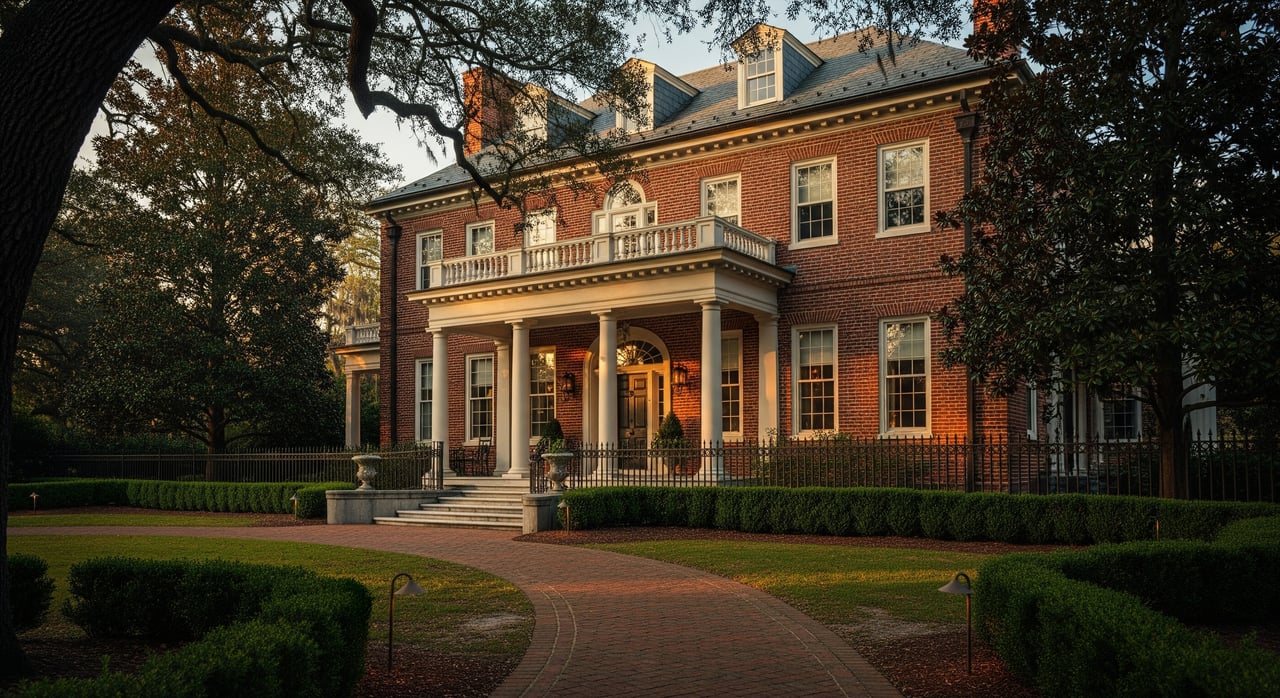
Dreaming of a classic Ansley Park home but unsure what you can change on the exterior, or how long approvals take? You are not alone. Buying in a recognized historic neighborhood adds a few steps to your renovation plans, yet it also protects the streetscape you love. In this guide, you will learn what historic status means in practice, when a Certificate of Appropriateness (COA) is required, what timelines and costs to expect, and how to plan your project with confidence. Let’s dive in.
What historic status means in Ansley Park
Ansley Park is recognized for its historic character and is listed in the National Register of Historic Places. National Register listing documents significance and can enable certain incentives for income-producing properties. It does not, by itself, restrict private owners from altering or demolishing a property when using private funds.
Local designation is different. In Atlanta, local historic districts and landmark designations create the rules that govern exterior work visible from the public right of way. Properties within a locally regulated area typically need a COA before permits issue for exterior alterations, new construction, or demolition.
Because designations can vary by parcel, confirm the specific property’s local status with the City of Atlanta’s Urban Design Commission or Historic Preservation staff before you assume any requirements.
When you need a COA
A COA is a formal approval that your proposed work is appropriate for the historic context based on adopted standards and guidelines. In locally designated areas of Atlanta, you will generally need a COA for exterior work that can be seen from the street.
Typical projects that trigger review
- Additions that change massing, rooflines, or visible façades
- Window, door, siding, porch, or roof changes visible from the street
- New construction, including infill homes and accessory structures
- Demolition or partial demolition
- Fences, gates, visible retaining walls, driveways, and sometimes major landscape changes or tree removal if regulated
Interior changes that do not alter the exterior appearance are usually not subject to COA review. If interior work affects exterior vents, openings, or structure that shows from the street, check with City staff.
The COA process in Atlanta
Plan for a clear sequence so you do not lose time or money.
Pre-application conversation. Contact Historic Preservation staff to confirm thresholds, submittal materials, and likely points of concern.
Application submittal. Provide dimensioned drawings, site plan and elevations, photos of existing conditions, a materials list, and a short narrative explaining how the design is compatible with the district.
Staff review. Minor, strictly in-kind work may be approved administratively. You may receive comments or requests for clarifications.
Commission hearing. Larger additions, new construction, and demolitions are scheduled for a public meeting. Neighbors may receive notice.
Decision and conditions. Approvals can include conditions or required revisions. Denials can be appealed through City procedures.
Building permits. The City will not issue building permits until your COA is final. Plan permit timing accordingly.
Timeline expectations
- Administrative approvals: a few business days to several weeks, depending on workload and a complete application
- Commission-review projects: often 4 to 12 weeks from submittal to decision; complex proposals may take longer if revisions or repeat hearings are needed
- Permit dependency: you cannot pull building permits until the COA is issued, which can extend your overall project schedule
Always verify current meeting calendars, submittal deadlines, and review times with City staff since schedules can change.
Fees and enforcement
Application and permit fees vary by project type. Check the City’s current fee schedule before you budget. Unapproved alterations can trigger stop-work orders, fines, and corrective work. Unauthorized demolitions may face stricter enforcement.
Due diligence for Ansley Park buyers
Approach your purchase like a project manager. A few early steps will save time and budget later.
- Confirm designation status. Ask City of Atlanta Historic Preservation staff if the home is within a local historic district or individually designated.
- Request seller documentation. Collect past COAs, permits, as-built drawings, and any correspondence about approvals or violations.
- Review the City file. Ask the Urban Design Commission or planning records for prior applications, staff notes, and decisions for the address.
- Get a condition assessment. Hire a contractor or preservation architect to evaluate the roof, foundation, porches, windows, and systems.
- Consult early. Schedule a pre-application chat with City staff or a preservation architect to vet plans like window replacement or an addition before you commit to a design.
- Write smart contingencies. Add a COA contingency and realistic review timeline to your offer. Allow room for redesigns.
- Engage the neighborhood. Connect with the Ansley Park civic association to understand common preferences and past outcomes that may inform your approach.
Budgeting and cost drivers
Historic work often commands higher design and materials standards. Plan for these common drivers.
- Professional services. Preservation architects and consultants can help navigate guidelines and prepare COA-ready drawings. Expect higher design fees for historically sensitive work.
- Materials. Historically appropriate materials often cost more than standard alternatives. Examples include wood windows that match historic profiles, traditional wood siding, slate or cedar roofing, and detailed porch components.
- Construction labor. Skilled trades for restoration and fine carpentry command premium rates.
- Permitting and reviews. Some projects incur added fees or extra inspections tied to historic-review requirements.
- Timeline costs. COA and permit timelines can add holding costs and soft costs. Build this into your financial plan.
Window repair may be less expensive than complete replacement, depending on condition. Custom wood windows that match historic sightlines can range from several hundred dollars to a few thousand dollars per unit based on size and glazing. Porch restorations and additions designed to respect historic massing often become significant budget items due to craftsmanship and materials.
Atlanta also protects certain trees. Removal of mature trees can require permits and mitigation, which may affect costs and schedules.
Incentives worth exploring
- Federal Rehabilitation Tax Credit. For income-producing properties only, there is a 20 percent federal credit for certified rehabilitation that meets the Secretary of the Interior’s Standards.
- Georgia and local programs. Availability changes over time. Check with the Georgia State Historic Preservation Office and the City of Atlanta for current grants, tax abatements, or guidance.
- Efficiency programs. Some utility or municipal programs support energy upgrades. Confirm compatibility with historic standards before you commit to products.
How commissions judge additions
If you are considering an addition, anticipate how reviewers think about compatibility.
- Scale and massing. Match the general size and form of nearby contributing buildings.
- Roof forms and setbacks. Respect historic patterns and rhythms on the block.
- Windows and doors. Keep fenestration patterns and proportions compatible.
- Materials and details. Use materials that read historic in texture and profile, and avoid obvious modern substitutions on street-facing elevations.
- Differentiation. Many guidelines prefer new work that is clearly new yet compatible, rather than exact imitation.
Color, windows, and demolition
- Paint colors. Some districts provide guidance rather than strict rules. Others may review colors on significant façades. Always check the local guidelines for your property.
- Window replacement. Many commissions discourage or restrict vinyl windows when visible from the street. Repair or wood replacements that match original profiles are often preferred. Rear or non-visible elevations may have more flexibility.
- Demolition. Demolition of a contributing building in a locally designated area is usually tightly controlled and can be denied or delayed. Documentation and public hearings are common. National Register listing alone does not prevent demolition; local rules do.
Plan your project timeline
Use this simple framework to keep momentum and set realistic expectations.
- Weeks 1 to 2: Confirm local designation, gather seller files, and book your preservation architect or contractor.
- Weeks 3 to 6: Hold a pre-application meeting with City staff. Finalize drawings, specs, and photos. Submit your COA.
- Weeks 7 to 12: Respond to staff comments. If a hearing is required, prepare visuals and attend the meeting.
- Weeks 12 to 16: Address any conditions. Receive your COA decision. Apply for building permits.
- Weeks 16+: Begin construction once permits issue. Maintain documentation for inspections and final approvals.
Actual timing varies. Build in buffers for revisions, material lead times, and seasonal workload.
Work with the neighborhood
Neighbors can influence outcomes through public comments. Early, courteous outreach helps. Share your goals, show how your design respects the block, and be open to small adjustments that preserve key views or patterns. This collaborative approach often shortens the path to approval.
Your next steps
If Ansley Park is the right fit for your lifestyle, align your purchase and renovation plans with the historic-review process from day one. Confirm local designation, assemble past approvals, and budget for higher-quality materials and skilled labor. The payoff is a home that respects the neighborhood’s character while meeting your needs.
Ready to explore Ansley Park with a plan that anticipates approvals, costs, and timing? Request a private consultation with Sonny Jones to discuss your goals, potential properties, and a smart path to COA success.
FAQs
What does historic designation mean for Ansley Park buyers?
- National Register listing recognizes significance but does not restrict private owners; local Atlanta designations create review rules for exterior work visible from the street.
Do interior renovations in historic homes need approval?
- Interior-only work typically does not require a COA, unless it affects exterior appearance, structure, or adds visible elements like vents or new openings.
How long does the COA process take in Atlanta?
- Administrative approvals can take days to weeks; commission-reviewed projects often take 4 to 12 weeks, with additional time for revisions and permit issuance.
Which exterior changes usually require a COA?
- Additions, visible window or door changes, siding and porch work, roof alterations, new construction, demolitions, fences, gates, and visible retaining walls typically require review.
Can I replace wood windows with vinyl in a historic district?
- Many commissions restrict or discourage vinyl on street-facing elevations; repair or wood replacements that match historic profiles are often preferred.
Can I demolish a contributing house in Ansley Park?
- Demolition in locally designated areas is tightly controlled, often requires extensive documentation and public review, and can be denied or delayed.
What costs should I expect for historic-compatible work?
- Plan for higher design fees, premium materials like matching wood windows or traditional roofing, skilled labor, possible added permit fees, and holding costs from extended timelines.