If you are selling in Garden Hills, your listing has to do more than show square footage. Buyers usually begin online, and many decide whether a home feels worth touring based on photos, property details, floor plans, and video before they ever step onto the street. In a neighborhood known for mature trees, historic homes, and distinct architecture, thoughtful presentation can shape how buyers understand value from the first click. Let’s dive in.
Why Garden Hills rewards design-led marketing
Garden Hills gives you something many neighborhoods do not: clear architectural identity. The neighborhood includes homes from the late 1920s and early 1930s, along with a mix of Tudor, Colonial Revival, French Eclectic, Spanish Mission, Georgian, Spanish Revival, Craftsman, and postwar ranch styles. That variety makes it easier to tell a compelling story, but only if your marketing is specific and well edited.
The setting matters too. Garden Hills is a mature, tree-lined Buckhead neighborhood with pocket parks, a pool, and a recreation center, and it includes more than 750 single-family homes plus some multifamily housing. A strong listing should connect the home to that broader setting so buyers can picture not just the house, but how it lives within Garden Hills.
The first showing is digital
Buyer behavior makes polished marketing more important than ever. In 2024 home-buyer research, 41% of buyers said looking online for properties for sale was their first step. Buyers also searched for a median of 10 weeks and viewed a median of seven homes before making a purchase.
That means your home is being judged early and often on a screen. Among buyers who used the internet, the most useful website features were photos, detailed property information, floor plans, neighborhood information, and videos. For a Garden Hills seller, that creates a simple standard: your online presentation should answer questions before a buyer has to ask them.
What buyers need to see online
In Garden Hills, good marketing is not just about attractive images. It is about helping buyers understand why an older home feels special, functional, and current. When the architecture is historic or period-inspired, your listing should make that value story easy to read.
A strong digital package often includes:
- Professional photography that captures both detail and flow
- Listing copy that explains updates and daily livability
- Floor plans that clarify circulation and scale
- Video that shows how the home relates to the lot, street, and landscape
- Property details that clearly explain storage, maintenance, and improvements
This approach matters in a neighborhood where homes can differ widely by era and style. Instead of leaving buyers to guess, design-led marketing helps them connect character with comfort.
Start outside, then work inward
Preparation usually starts at the curb. In the 2025 staging report, sellers’ agents most often recommended decluttering, cleaning the entire home, and improving curb appeal. Buyers’ agents also reported that staging made it easier for buyers to visualize a property as a future home.
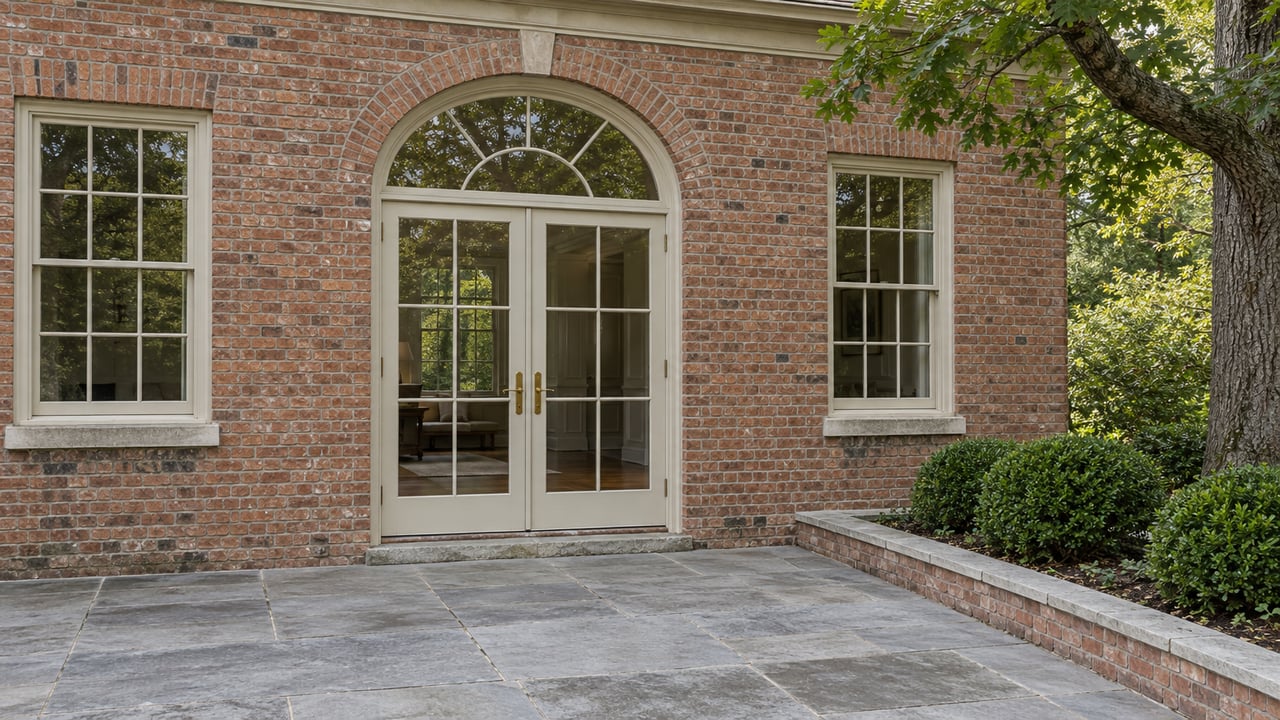
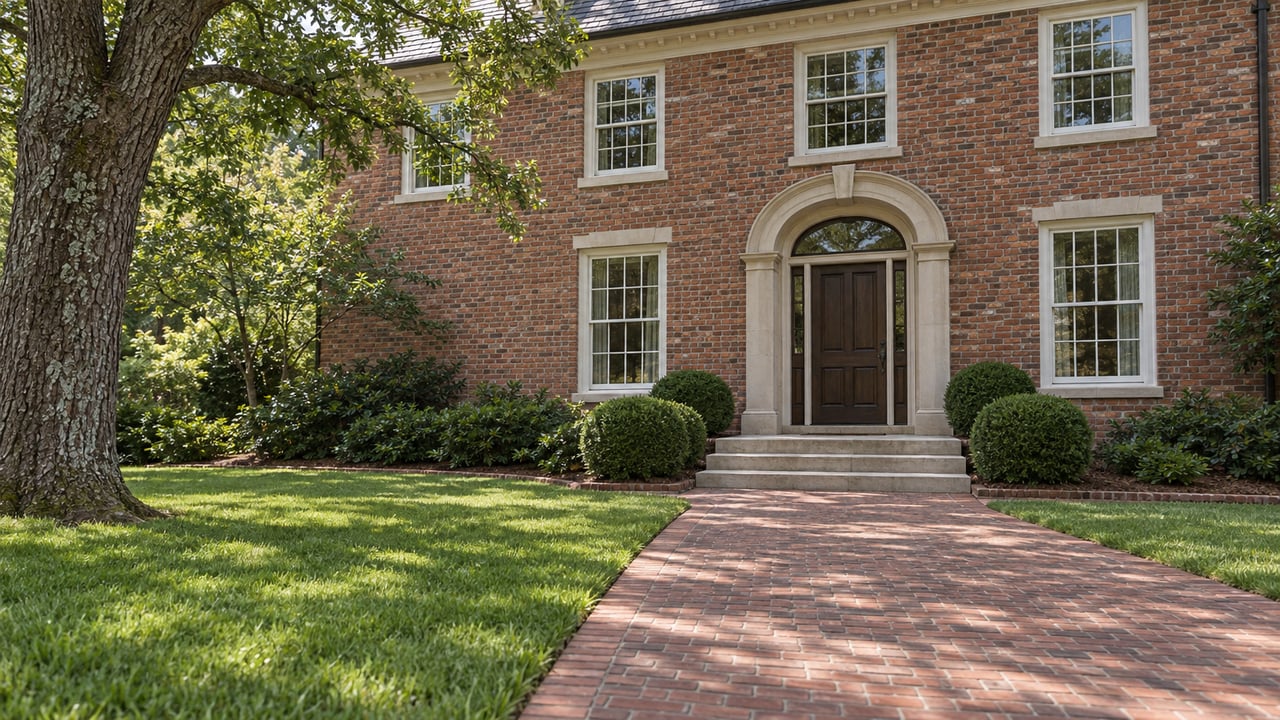
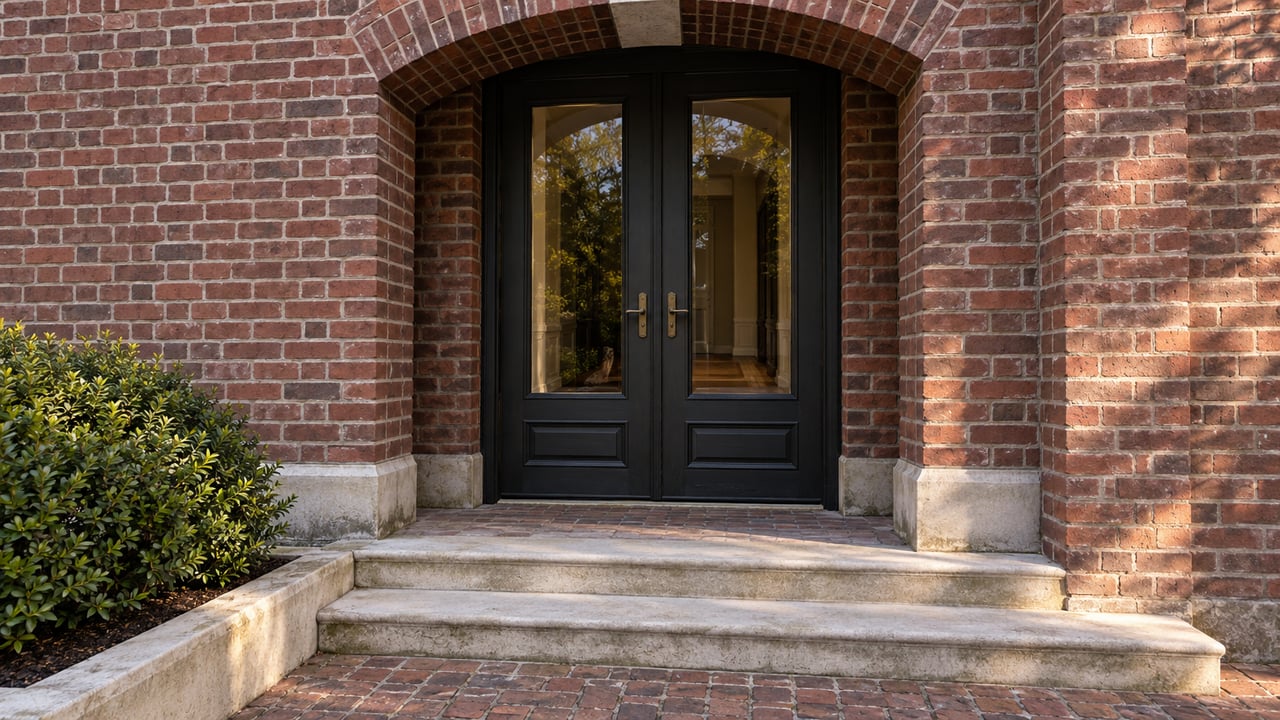
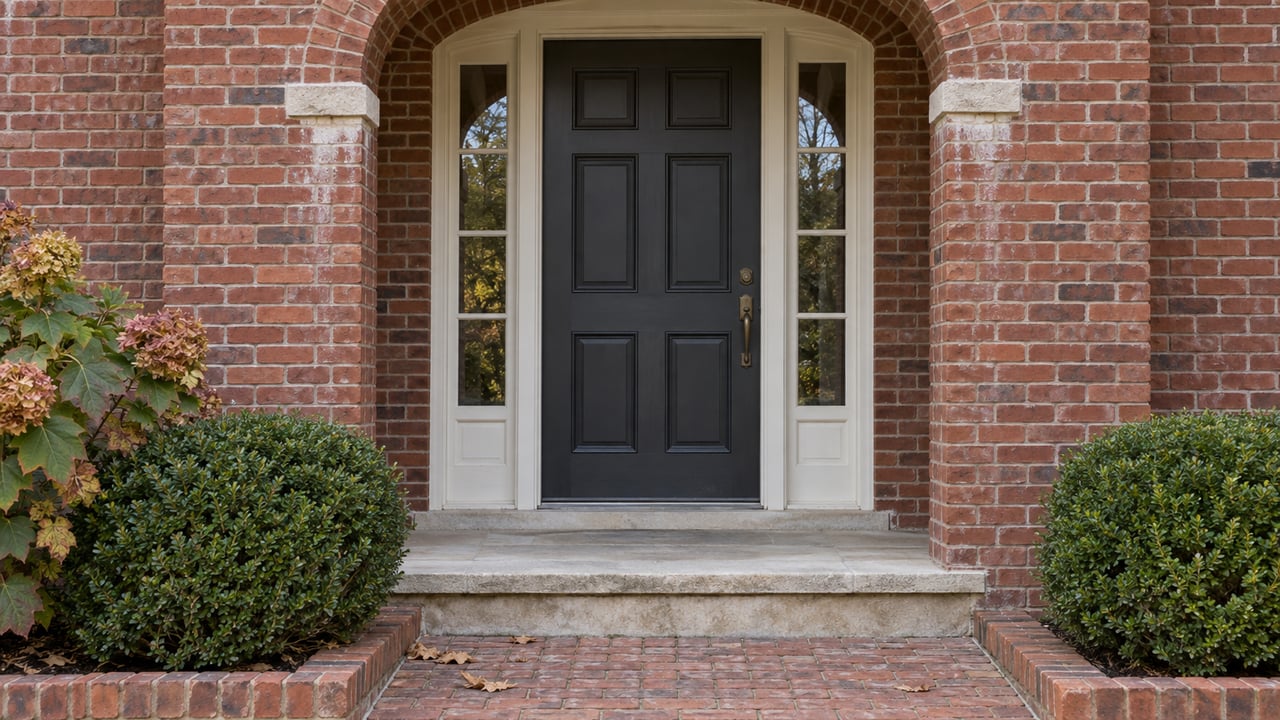
For a Garden Hills listing, that sequence makes sense. The exterior often introduces the home’s personality first, whether that means a brick Tudor facade, a classic porch, a ranch profile, or a garden-framed entry. When the front approach feels tidy and intentional, buyers are more likely to interpret the rest of the house through that same lens.
Before photography or showings, focus on the basics:
- Trim landscaping and clean up planting beds
- Simplify the front entry
- Address visible repair items
- Clean windows and exterior surfaces
- Remove visual clutter from porches, walks, and driveways
These are not dramatic changes. They are the kind of refinements that help a buyer see the home’s design more clearly.
Stage for calm, not sameness
The goal of staging in Garden Hills is not to erase personality. It is to make architectural character feel intentional and easy to understand. Buyers respond best when a home looks polished, balanced, and believable.
That same staging report found that 48% of agents said buyers expected homes to look staged for television, and 58% said buyers felt disappointed when the home did not meet those expectations. For sellers, that is a useful reminder. Buyers want a home that feels elevated, but still livable.
The most commonly staged rooms were:
- Living room
- Primary bedroom
- Dining room
- Kitchen
- Outdoor spaces
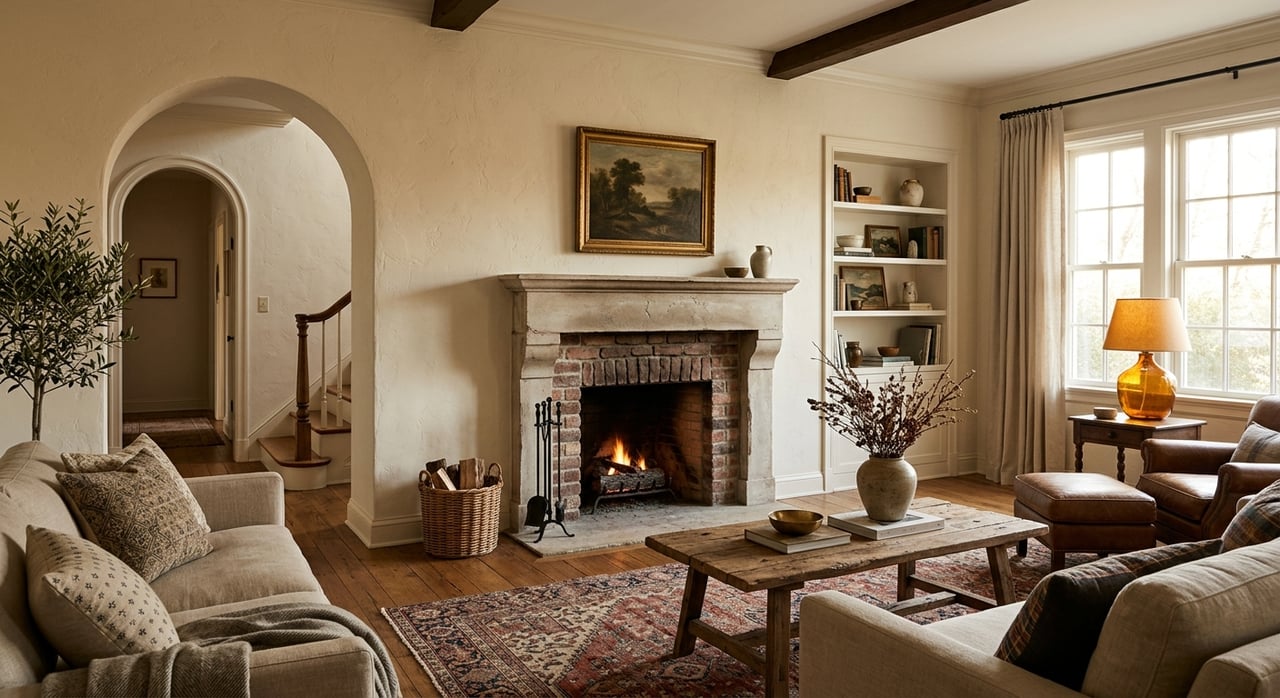
In a Garden Hills home, these spaces often carry the emotional weight of the listing. A living room can highlight original windows or a fireplace. A dining room can show proportion and flow. Outdoor areas can help buyers understand the lot, mature trees, and garden setting. Good staging supports the architecture instead of competing with it.
Use copy that tells a design story
Many listings lose momentum because the description reads like an inventory sheet. In Garden Hills, your copy should do more. It should translate architecture, setting, and updates into a lived experience buyers can quickly grasp.
The strongest angles usually center on a few themes.
Historic character and modern ease
If the home has period details, show how they work alongside present-day function. Buyers want to understand both charm and practicality. Original character can be a strength when the listing clearly explains improvements, storage, flow, or maintenance.
Street and setting
Garden Hills has curving streets, divided roadways, small parks, and a strong tree canopy. The neighborhood association also highlights pocket parks, a pool, and a recreation center. When a listing references the home’s immediate setting in clear, factual language, buyers get a fuller sense of place.
Lifestyle translation
Porches, sunlight, room flow, garden views, and entertaining potential all help buyers imagine everyday use. These details are often more persuasive than generic luxury language. They also match the kind of visual, design-aware buyer who tends to respond to Garden Hills homes.
Functional reassurance
Older homes raise practical questions. Instead of glossing over them, strong copy answers them. If there are meaningful updates, efficient storage, or easier circulation than a buyer might expect from the era, those points should be stated directly.
Historic-district details matter
Garden Hills includes streets with historic-district designation, so exterior work requires care. Before making visible exterior changes, sellers should confirm whether the property is located in a Historic or Landmark District. The City of Atlanta advises owners to use the city GIS to verify designation.
If a property falls within one of those districts, exterior work may require a Certificate of Appropriateness and, depending on the scope, review by the Urban Design Commission. That matters for pre-listing improvements because what seems like a simple visual update may involve a local approval process. Verifying this early can help you avoid delays and make better decisions about what to tackle before the home hits the market.
Why selective presentation can support value
Design-led marketing is not just about aesthetics. It can support stronger buyer perception and a smoother sale process. In the 2025 staging report, 29% of buyers’ agents said staging led to a 1% to 10% increase in offered value, and 49% of sellers’ agents said staged homes sold faster.
That does not mean every update pays off equally. It does suggest that when a home feels clean, coherent, and well presented, buyers have an easier time understanding its worth. In Garden Hills, where architecture and setting are part of the value story, that clarity can be especially important.
What a Garden Hills listing should ultimately do
At its best, a Garden Hills listing should feel like a well-edited design story. It should explain the architecture, highlight the setting, and reassure buyers about function without overwhelming them with details. Every element, from curb appeal to photography to copy, should help the home feel intentional.
That is especially true in a neighborhood where buyers may be comparing homes from different eras, layouts, and levels of renovation. A calm, refined presentation helps your home stand out for the right reasons. It lets buyers see not only what the house is, but why it belongs in Garden Hills.
If you are preparing to sell in Garden Hills and want a more tailored, design-forward strategy, Sonny Jones offers private, consultative guidance built around presentation, neighborhood context, and targeted exposure.
FAQs
How does design-led marketing help a Garden Hills home stand out?
- It helps buyers understand the home’s architecture, updates, and setting quickly through polished visuals, strong copy, floor plans, and a clear value story.
What rooms matter most when staging a Garden Hills listing?
- The most commonly staged spaces are the living room, primary bedroom, dining room, kitchen, and outdoor areas, since these rooms often shape first impressions and emotional connection.
Why is curb appeal important for a Garden Hills home sale?
- Garden Hills homes often have strong architectural character and mature landscaping, so a clean, tidy exterior helps buyers see the home’s design clearly from the start.
Should you check historic-district rules before exterior updates in Garden Hills?
- Yes. Some Garden Hills streets have historic-district designation, and visible exterior work may require a Certificate of Appropriateness and possible city review.
What online listing features matter most to buyers in Garden Hills?
- Buyers most often value photos, detailed property information, floor plans, neighborhood information, and videos when evaluating a home online.